Introduction
The coal and mining industry is a sector that is highly dependent on a well-integrated supply chain. In the supply chain, transportation plays a crucial role, connecting production points, distribution, and end consumers. In this context, transportation not only acts as a physical mover of materials, but also as an important component in operational efficiency. Efficiency in the supply chain greatly influences the profitability and sustainability of the company, especially in sectors that prioritize safety and proper management such as the coal, mining, and heavy equipment industries.
This article will discuss how efficient transportation can reduce shipping costs and times, case studies of efficiency applications through transportation optimization, and a comparison of various modes of transportation in the context of the coal and mining industry supply chain.
How Efficient Transportation Can Reduce Shipping Costs and Times
Transportation efficiency in the supply chain is essential to reducing operational costs and shipping times. In the coal and mining industry, large volumes of transportation and long distances are often a challenge. Here are some ways efficient transportation can reduce costs and time:
- Use of a Modern, Fuel-Efficient Fleet A fuel-efficient transportation fleet can help companies reduce operating costs. For example, heavy-duty vehicles specifically designed to haul mining materials can carry more cargo while consuming less fuel, reducing the frequency of deliveries and the cost per ton of material transported.
- Optimal Route Planning By utilizing technologies such as GPS and route optimization software, companies can choose the most efficient routes that minimize distance traveled and avoid high-risk areas. This can reduce travel time, fuel costs, and vehicle wear and tear.
- Shipment Consolidation Combining multiple shipments into one trip can reduce the number of trips required, improving overall transportation efficiency. This consolidation can also reduce environmental impacts by increasing fuel efficiency and reducing emissions.
- Using Logistics Technology Modern transportation management systems allow companies to track shipments in real-time, reduce the risk of delays, and respond quickly to changing conditions in the field. This technology also helps reduce delivery times with faster decision-making.
With these strategies, companies in the coal and mining sectors can streamline their transportation operations, which will ultimately have an impact on cost efficiency and increased distribution speed.
Case Study of Supply Chain Efficiency Through Transportation Optimization
An interesting example comes from one of the major mining companies in Indonesia that implemented a transportation optimization program to improve the efficiency of its supply chain. Before the optimization, the company experienced problems with high logistics costs due to the use of inefficient routes and frequent delivery delays.
The steps taken by the company include:
- Supply Chain Audit The first step taken was to conduct a comprehensive audit of the supply chain, especially in the transportation section. The results showed that many routes were not optimal and vehicles were often not used to their full potential.
- Implementation of a Transportation Management System (TMS) By installing TMS software, the company can monitor each shipment in real time, set more efficient routes, and optimize fleet usage. The TMS also allows for more accurate arrival time predictions, reducing the possibility of delays.
- Driver Training and Fleet Maintenance As part of its efforts to increase efficiency, the company provides training to drivers on fuel-efficient driving and implements a more disciplined fleet maintenance program. This reduces downtime due to vehicle damage and increases fuel efficiency.
The results of this program are a reduction in transportation costs of up to 15% and faster delivery times. This transportation optimization also increases customer satisfaction as delivery timeliness increases.
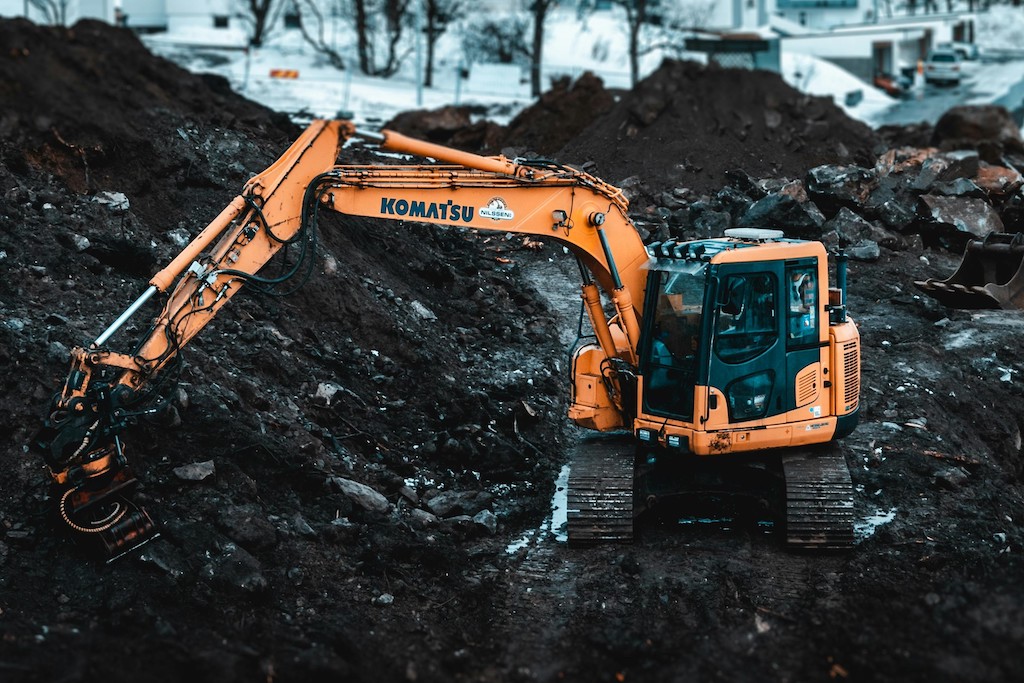
https://www.pexels.com/photo/orange-excavator-2058729/
Comparison of Different Transport Modes in the Context of Supply Chain Efficiency
The coal and mining industries use a variety of transport modes, including road, rail, ocean, and pipeline, depending on the distance, cost, and characteristics of the material being transported. Each mode of transport has its own advantages and disadvantages in terms of efficiency.
- Road Transport This mode of transport is often used for short- or medium-distance deliveries. The advantage is high flexibility, as trucks can reach remote mine sites. However, road transport tends to be more expensive over long distances due to high fuel and maintenance costs, as well as a greater risk of accidents.
- Rail Transport Rail is an efficient option for transporting large volumes of mined materials over long distances. With a lower cost per ton compared to trucks, rail can carry larger loads and is more energy efficient. However, its limitation is that rail infrastructure is not always available near the mining site.
- Sea Transportation For inter-island shipping or coal exports abroad, sea transportation is an efficient choice. The cost of sea transportation per ton is much lower than other modes of transportation, especially for large volumes. However, shipping times can be longer and require adequate port infrastructure.
- Pipeline Transportation In some cases, materials such as liquid minerals or gas from mining can be transported via pipeline. Pipeline transportation is very efficient for continuous shipping without the need for direct human intervention, but requires a large initial investment for infrastructure development.
This comparison of various modes of transportation shows that the selection of the right mode is highly dependent on material characteristics, distance, and costs. A combination of several modes of transportation (multimodal) is often used to achieve better efficiency.
Conclusion
Transportation plays an important role in determining the efficiency of the supply chain in the coal and mining industry. Good transportation management can not only reduce shipping costs and times but also improve work safety and operational sustainability. By utilizing modern technology and optimizing the selection of the right mode of transportation, companies can achieve significant competitive advantages.
In facing increasingly complex global challenges, companies in this sector need to continue to innovate in transportation and supply chain management. Transportation efficiency is not only about reducing costs, but also about maintaining sustainability, customer satisfaction, and safety in the field.
Read another Article: Effective Strategies in Distribution: Improving Operational Efficiency