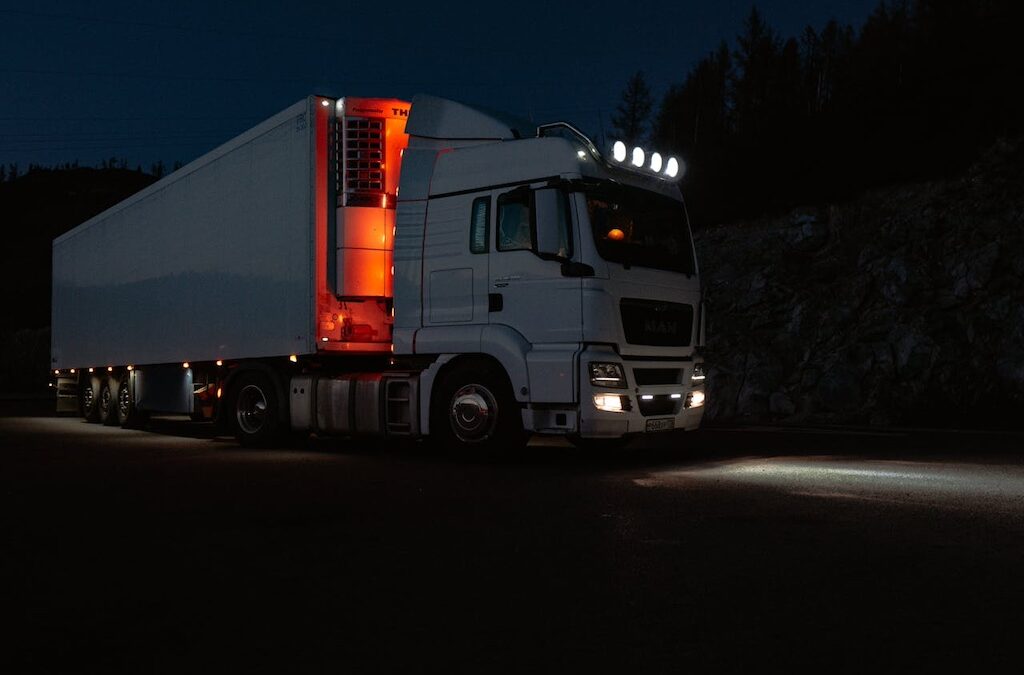
The end of the year is consistently the busiest period for many industrial sectors, including mining, heavy equipment, construction, logistics, and energy. During this time, distribution activities increase significantly, shipment demands become more intense, and operational pressure on trailer fleets rises beyond normal levels. At the same time, the rainy season introduces additional challenges such as slippery roads, flooding, and faster component degradation caused by water exposure and corrosion.
Under these conditions, proper maintenance and spare parts readiness become critical factors in ensuring smooth operations. Timely replacement of trailer components not only helps prevent downtime but also supports safety, cost efficiency, and long-term fleet durability. This article discusses year-end operational challenges and highlights the most critical spare parts that should be prepared in advance.
Trailer Operational Challenges at Year-End
1. Surge in Logistics Activity
Toward the end of the year, shipment volumes increase significantly—whether for industrial needs, project deliveries, or general distribution. As a result:
- Trailers operate for longer hours with limited rest.
- Component usage cycles become more intensive.
- Wear and tear risks rise dramatically.
Traffic congestion in industrial areas also extends travel time, forcing trailers to operate under heavier and more demanding load conditions than usual.
2. Increased Risk of Damage During the Rainy Season
The rainy season brings additional threats to fleet operations, especially for components vulnerable to water, corrosion, and humidity. Common risks include:
- Water contamination in the braking system.
- Bearing damage due to disrupted lubrication.
- Electrical short circuits caused by non-waterproof connectors and lights.
- Reduced tire performance on slippery roads and standing water.
- Chassis and frame corrosion from prolonged exposure to rainwater.
The combination of heavy workloads and extreme weather makes spare parts inspection far more critical during this period compared to other months.
Most Critical Spare Parts to Inspect
To keep trailers operating optimally during peak activity, the following components should be prioritized for inspection and maintenance:
1. Brake System
As the primary safety system, the braking system must always be in optimal condition.
Key components include:
- Worn brake linings, which can significantly increase stopping distance.
- Brake drums, which must be free from cracks and deformation.
- Camshafts, which must move smoothly to ensure even braking force.
- Spring brakes and brake chambers, which should be checked for air leaks.
Trailer braking systems are highly vulnerable to water and mud during the rainy season, making routine inspections essential.
2. Axle & Bearing
These components directly support the trailer’s load. Inspections should cover:
- Bearing clearance
- Grease leakage
- Oil seal condition
- Excessive heat caused by friction
If left unattended, bearing failure can lead to hub damage and pose serious safety risks.
3. Trailer Suspension
The suspension system plays a key role in maintaining load stability. Check the condition of:
- Leaf springs or air suspension
- Cracked bushings
- Torque rods
- Loose U-bolts
Unstable suspension can cause trailer sway and accelerate tire wear.
4. Electrical System
Rainy conditions increase the risk of electrical failures. Ensure that:
- Lamp sockets are waterproof
- Wiring insulation is intact
- Brake lights, turn signals, and marker lights function properly
Electrical issues are among the most common causes of trailer-related accidents during the rainy season.
5. Tires & Wheels
Heavy operations require tires in optimal condition:
- Check tread depth
- Ensure tire pressure meets specifications
- Inspect for sidewall cracks
- Confirm wheels are not bent and lug nuts are properly secured
Tires are the first components to face extreme weather conditions on the road.
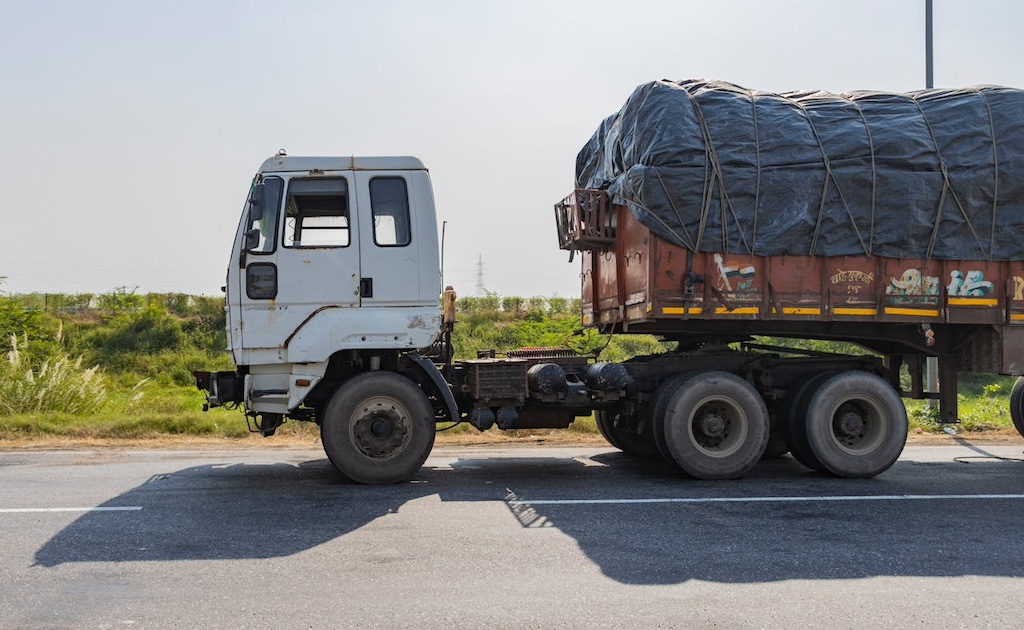
[https://www.pexels.com/photo/indian-truck-on-deeg-highway-under-bright-sky-29057942/]
Spare Parts Recommendations Based on Weather and Operations
To ensure safer and more stable trailer operations throughout the year-end period, the following spare parts recommendations should be prioritized:
1. For Rainy Season Conditions
- Choose brake linings with high resistance to moisture.
- Use premium-quality grease to protect bearings from water intrusion.
- Replace seals and gaskets to prevent water entry into hubs and electrical systems.
- Install high water-resistance (IP-rated) lighting for trailer electrical systems.
2. For Increased Logistics Activity
- Use heavy-duty brake drums and brake shoes designed to withstand high temperatures.
- Prepare axle components such as bearings, washers, and nuts as backup for accelerated wear.
- Replace suspension bushings showing early signs of cracking to prevent sudden failure.
- Use tires with higher load ratings to handle increased cargo weight.
3. Additional Safety Components
- High-reflectivity reflective tape to improve trailer visibility during rain.
- Mudguards and mudflaps protect the braking system from water and debris.
- Thicker air hoses and couplers to ensure stable air brake performance.
Conclusion
Trailer operations at year-end present significant challenges, from logistics surges to extreme weather conditions. To maintain operational continuity and ensure the safety of drivers and equipment, spare parts inspection and maintenance must not be overlooked. Focusing on critical components such as the braking system, axles, suspension, electrical systems, and tires can greatly reduce the risk of downtime and accidents.
With proper spare parts management, companies not only improve operational cost efficiency but also ensure that deliveries and projects continue smoothly through the end of the year. Proactive component maintenance before failures occur is a small investment that delivers substantial long-term benefits for industrial operations.
Read other Articles: The Importance of Routine Trailer Inspections and Maintenance