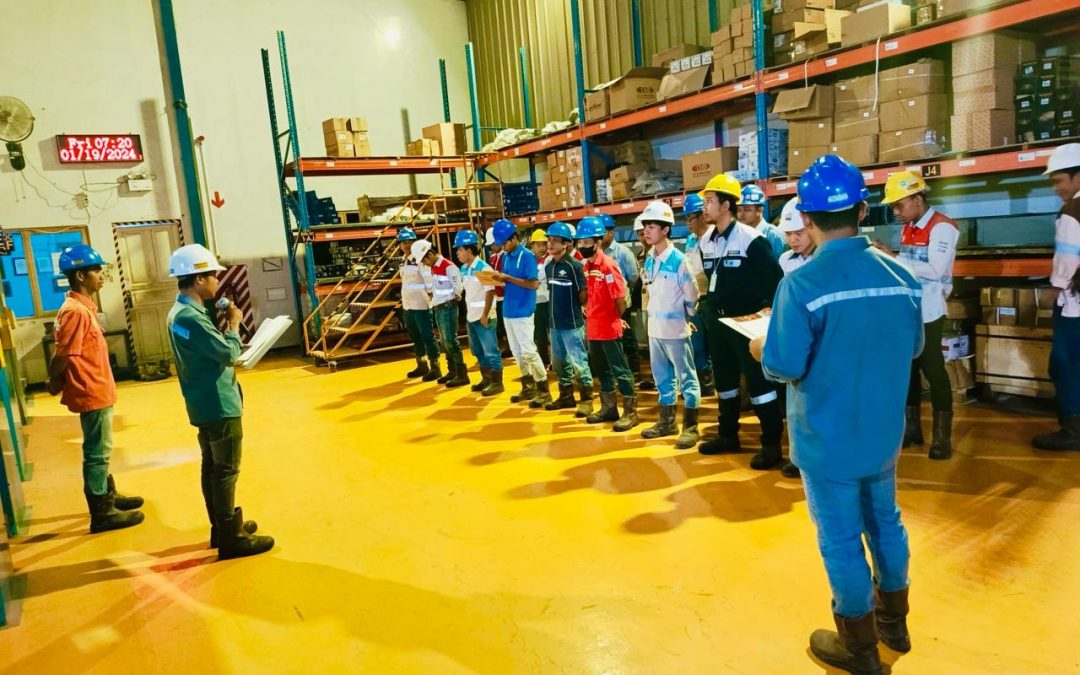
In today’s digital era, digital transformation has become an essential element in various industrial sectors, including the trailer transportation industry. Companies that prioritize occupational safety need to adapt to digital technology to optimize distribution in their supply chain. By adopting digital technology, companies can increase visibility, efficiency, and flexibility in the distribution process, which ultimately contributes to occupational safety and customer satisfaction.
Implementing Digital Technology to Increase Visibility and Efficiency in Distribution
Digital transformation in the supply chain offers many benefits, including increased visibility and efficiency. Technologies such as the Internet of Things (IoT), big data analytics, and blockchain allow companies to monitor the movement of goods in real time. Using IoT sensors, companies can track the location and condition of trailers and their loads. The data collected is analyzed to identify potential problems before they occur, such as late deliveries or damaged goods.
In addition, the use of supply chain management (SCM) software helps automate administrative and operational processes, reducing human error and increasing productivity. These systems simplify route planning, inventory management, and driver performance monitoring, promoting faster and safer distribution.
The Vital Role of Digital Marketplace Platforms in Facilitating Global Distribution
Digital marketplace platforms play a vital role in facilitating global distribution. By connecting supply chain actors from producers to consumers, these platforms help create a more integrated and transparent ecosystem. Examples of such platforms include Freightos and Flexport, which provide digital logistics services to help companies manage international shipments more efficiently.
These platforms also provide tools for price comparison, shipment tracking, and digital documentation, all of which contribute to time and cost savings. With better visibility and more efficient communication between all parties involved, companies can respond quickly to changing demand and market conditions.
Read other articles: The Important Role of Trailers in Modern Transportation and Logistics
Adaptation Strategy to Meet Increasingly Dynamic and Changing Market Demands
To remain competitive in a dynamic market environment, companies need to adopt effective adaptation strategies. One of the main strategies is operational flexibility, where companies must be able to adjust their distribution processes according to changes in market demand. This can be achieved through the use of digital technology that enables dynamic planning and scheduling.
In addition, collaboration between various parties in the supply chain is key to success. By building strong partnerships and sharing data transparently, companies can improve operational efficiency and reduce risk. The use of predictive analytics also helps in forecasting demand and optimizing inventory, thereby avoiding shortages or excess stock.
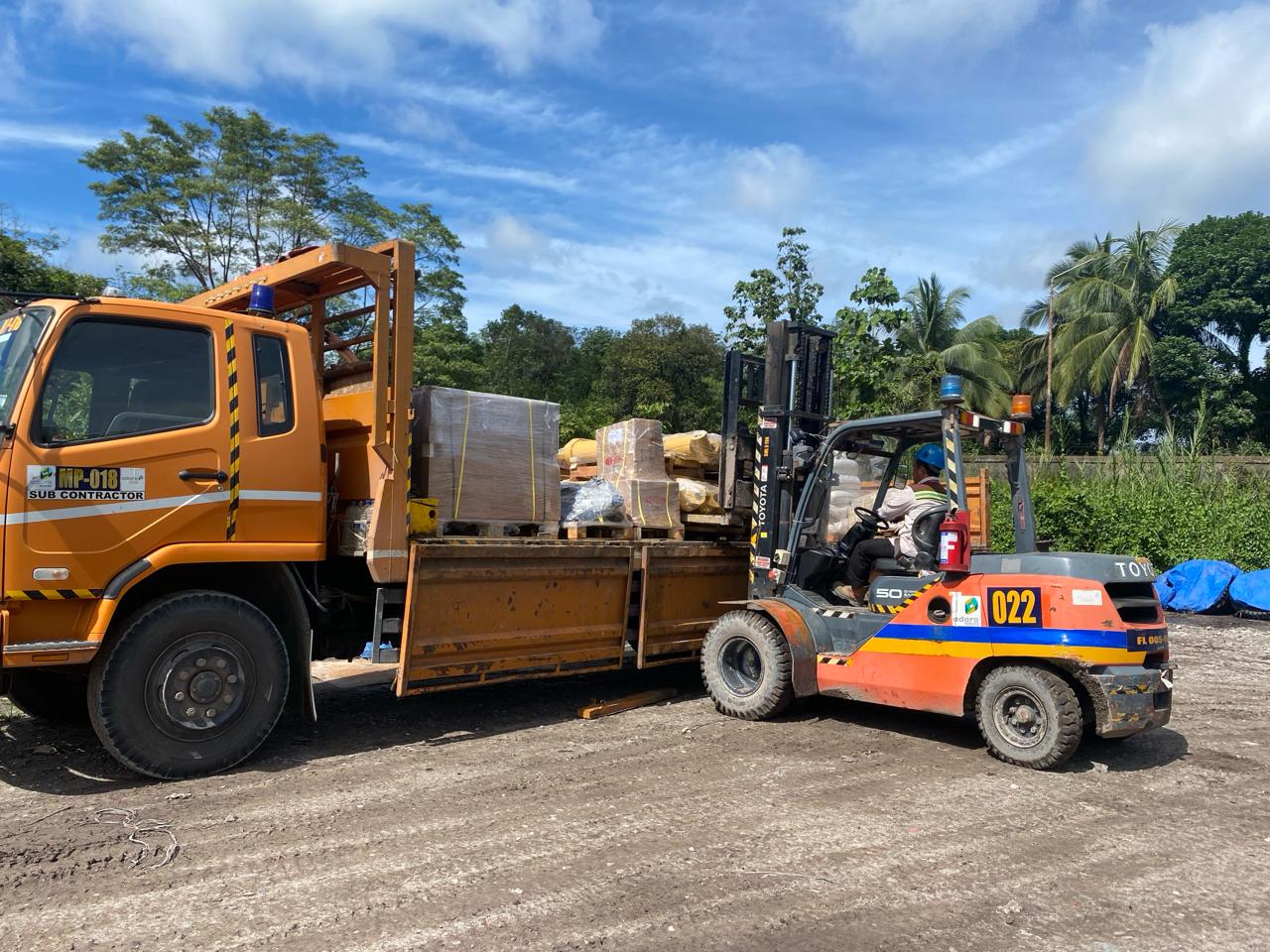
Distribution Process Using Heavy Equipment
Challenges and Opportunities in Integrating Digital Distribution Systems into Traditional Industrial Infrastructure
Integrating digital distribution systems into traditional infrastructure is not without its challenges. One of the main challenges is the high initial cost of implementing new technology and employee training. In addition, there is also the issue of compatibility between new digital systems and existing legacy infrastructure.
However, these challenges also open up great opportunities. With the right investment in technology and training, companies can improve efficiency and productivity in the long term. In addition, digital integration also allows companies to innovate in their services, such as offering faster delivery and better customer service.
Data security is a major concern in this integration. The implementation of technologies such as blockchain can help address security concerns by providing a secure and transparent system for tracking and verifying data.
Digital transformation in the supply chain is a strategic step that must be taken by trailer transportation companies that prioritize occupational safety. By adopting digital technology, companies can increase visibility, efficiency, and flexibility in the distribution process. Although there are challenges in digital system integration, the opportunities offered are much greater. In the long run, digital transformation not only improves company operations but also ensures customer safety and satisfaction, creating a sustainable competitive advantage.