
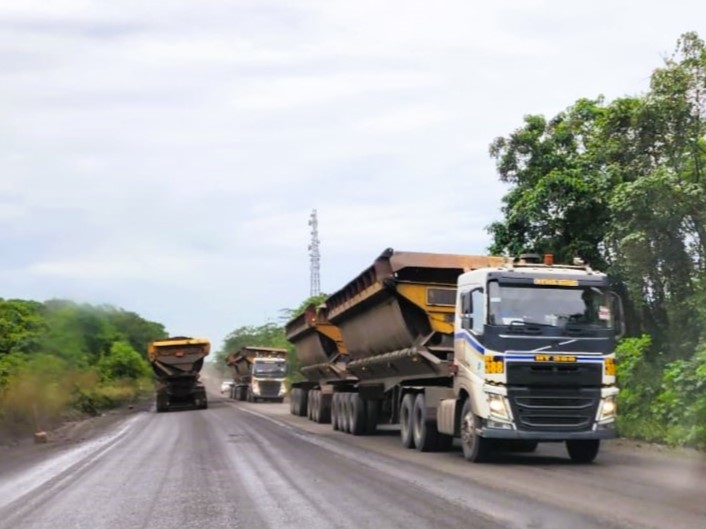
As a trailer user for transportation needs, driving a trailer certainly does not recognize the season and conditions. In bad weather conditions, trailer users often face quite risky challenges. Heavy rain, strong winds, or even storms can endanger safety and disrupt the balance of the trailer. The risks are not only for the trailer driver but also for other road users. Heavy rain can make the road slippery and reduce tire traction, the risk of skidding can also occur. Strong winds can damage the balance of the trailer and its stability. Extreme weather conditions such as storms also have great risks, drastically reducing visibility.
Bad weather often triggers sudden braking, causing the risk of collision and threatening trailer control. Therefore, trailer drivers need to understand these risks and take the right precautions when facing bad weather. To maintain control and reduce risk, here are some tips for controlling a trailer in bad weather conditions:
1. Check the Condition of the Trailer before Departing
Before driving, take a moment to check the condition of the trailer. Many important components must be checked first, such as *brake system*, *tire,* *light system* and its indicators, and others. Making sure everything is working properly is an important first step for road safety.
2. Pay Attention to Load and Load Position
Trailer load issues are often considered negligible, in order to prioritize maximum capacity. However, this must be considered carefully, namely ensuring that the load in the trailer is evenly and balanced. This will help maintain the balance of the trailer, especially in bad weather. Ensure that the load is securely tied so that there is no shifting during the trip.
3. Reduce Speed
Road conditions during bad weather often make it more slippery and dangerous. Paying attention to the speed of your trailer and reducing its speed, increases the level of safety and helps you have more time to respond and avoid unwanted situations.
4. Keep a Safe Distance
Set a safe distance between your trailer and the vehicle in front of you. This gives you room to react if necessary to brake, which is important to do, to avoid obstacles on the road.
5. Use Lights Wisely
Bad weather certainly causes impaired vision, short visibility, blurred vision, and so on can occur. By turning on the trailer lights wisely, especially when heavy rain has low visibility. This also helps you and other drivers stay in sight on the road.
6. Beware of Wet Roads
When it rains, road conditions will become wet and even slippery. Wet and slippery roads will pose a risk of *aquaplaing*. For that, you need to be extra careful in this condition. Try to avoid sudden brake in puddles and consider avoiding paths that look very wet.
7. Avoid Strong Winds
Strong winds can affect the stability of your trailer. If you are facing windy weather, make sure the wind direction and speed are not too dangerous for you. Stay careful and alert, and do not force the trip when the conditions are getting worse.
8. Rest and Check the Weather
It is very important for those of you who are going to travel with a trailer, to first check the weather that will occur. By considering it and not forcing the trip if extreme weather threatens is a wise decision. Do not hesitate to stop in a safe place, if on your trip you experience a change in weather that is too bad.
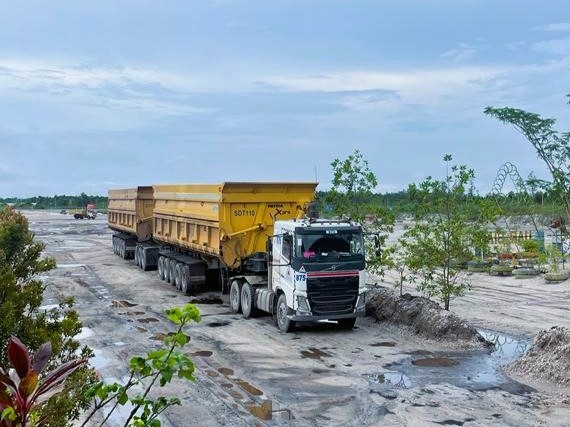
When facing bad weather while driving a trailer, of course safety must be the main priority. The risks that arise, such as slippery roads, strong winds, and limited visibility, can threaten the safety of drivers and other road users. However, by applying the tips that have been discussed, you can be more prepared and confident in controlling the trailer in unfavorable weather conditions. With these steps, you can also minimize the risk and maintain the safety of yourself and other road users. Stay alert and act wisely on the road, so you can drive the trailer safely and comfortably, even in difficult weather conditions.
Read other articles: Want to Drive a Trailer Safely? Pay Attention to These Things