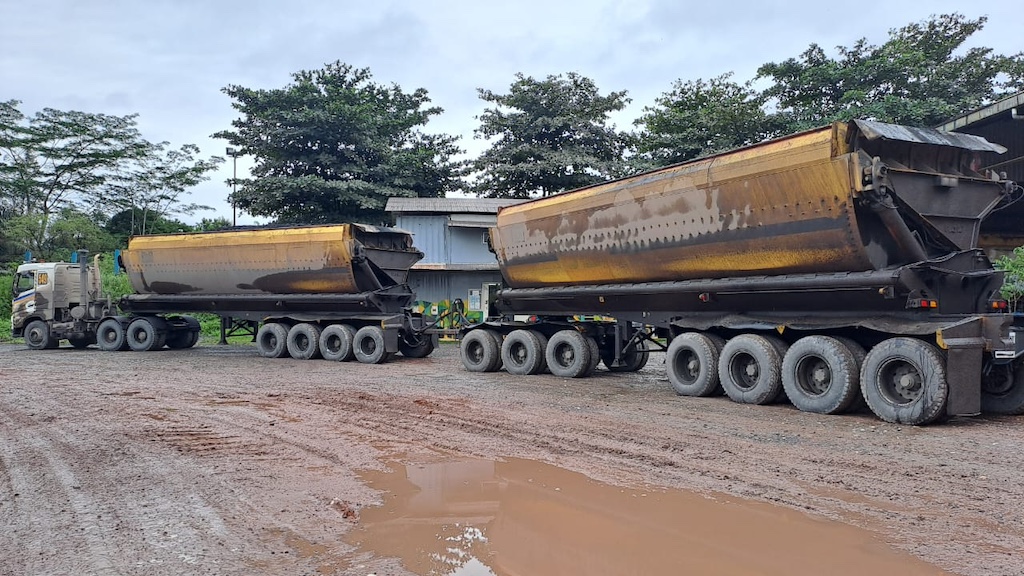
In heavy industries such as mining, heavy equipment, construction, energy, and large-scale logistics, trailer downtime is not just a technical issue. Every hour a unit is out of operation means delayed deliveries, disrupted project schedules, increased operational costs, and higher safety risks in the field.
Ironically, most downtime does not come from sudden major failures, but starts with small maintenance mistakes that are often underestimated. Components that still “look usable,” ignored technical tolerances, or delayed replacements frequently become the root cause of much larger problems.
This article discusses the most common trailer maintenance mistakes found in the field, why they are dangerous, and the long-term cost impacts that are often overlooked by operators and management.
Downtime Often Starts from Small Mistakes
Delaying the Replacement of Worn Components
One of the most common trailer maintenance mistakes is delaying the replacement of components that already show signs of wear. Common reasons include:
- The component is still functioning
- No total failure has occurred yet
- Operations are currently busy
- Short-term cost savings are prioritized
In reality, components such as brake linings, brake drums, bearings, suspension bushings, kingpins, and wearing rings all have defined service limits and working tolerances. When worn parts are forced to continue operating, loads are no longer distributed properly. As a result, wear spreads to other components that may still be in good condition.
Delaying the replacement of a small component often leads to chain damage, eventually requiring larger repairs, longer downtime, and significantly higher costs than preventive replacement.
Ignoring Technical Tolerances
Another frequent mistake is ignoring technical tolerances. In the field, many maintenance decisions are still based on visual judgment or experience rather than precise technical measurements.
Examples include:
- Brake drum diameter exceeding limits but not yet cracked
- Increased clearance between kingpin and fifth wheel, but still locking
- Camshaft and slack adjuster are no longer precise, but the braking still feels strong
- Bearings are starting to loosen, but not yet making noise
Visually, these components may appear “fine.” Technically, however, they are already operating beyond their design limits. Once tolerances are exceeded, friction is no longer optimal, heat increases, and the risk of sudden failure becomes much higher—especially under peak loads or extreme operating conditions.
Overconfidence in the “Still Can Run” Condition
The “still can run” mindset is one of the most dangerous causes of trailer downtime in industrial operations. This mindset usually appears when:
- Delivery schedules are tight
- Production targets are high
- The unit still appears to operate normally
The problem is that trailers rarely provide dramatic warnings before failure. Systems often continue working until a critical threshold is reached, then fail suddenly. At that point, the damage is no longer minor and often involves multiple components at once.
Overconfidence leads to postponed inspections, reactive maintenance, and technical decisions driven by operational pressure rather than safety and long-term reliability.
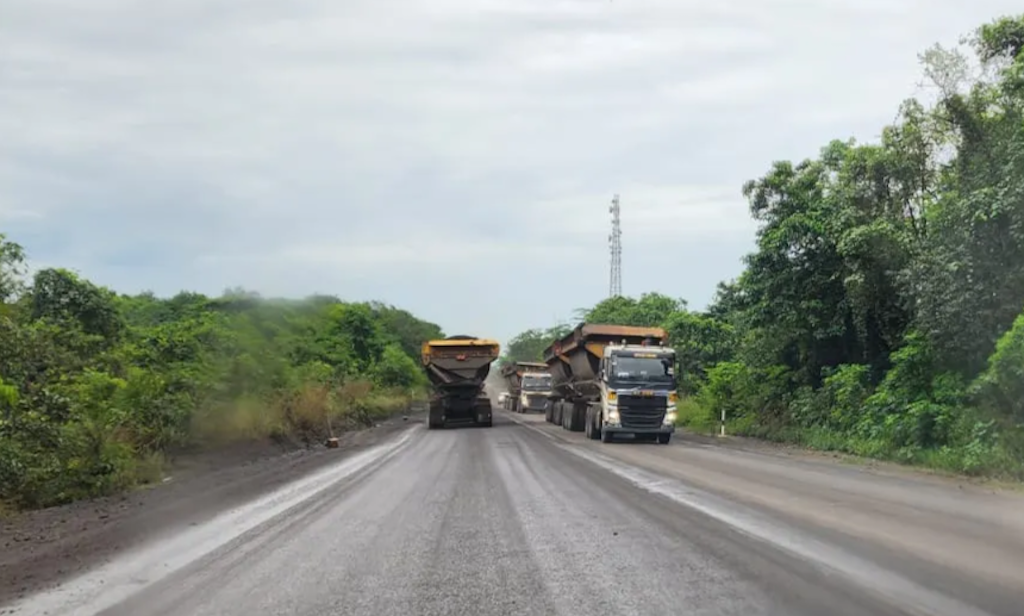
Mining Heavy Equipment vehicles are on the roads around the mining area.
Long-Term Cost Impact
Small maintenance mistakes may seem cost-effective at first, but they often result in much higher long-term expenses.
Common impacts include:
- Unplanned downtime that stops the entire operational chain
- Escalating repair costs due to widespread component damage
- Damage to high-value assets, such as axles, hubs, or main braking systems
- Additional logistics costs caused by delays or unit substitutions
- Safety risks, potentially leading to workplace accidents and legal consequences
- Reduced trailer service life, as components operate beyond their design limits
In the long run, reactive maintenance makes operational costs harder to control and gradually reduces unit productivity. In contrast, preventive maintenance based on technical tolerances provides greater stability, safety, and efficiency.
Conclusion
Trailer downtime is rarely caused by a single major mistake. Most cases begin with small decisions repeated over time: delaying worn part replacements, ignoring technical tolerances, and being overly confident in a “still can run” condition.
In heavy industry operations, trailer maintenance is not just about keeping units moving—it is about ensuring every component operates within safe and precise limits. Stopping a trailer for scheduled inspection and planned replacement is far more cost-effective than stopping operations due to sudden failure.
By understanding these common mistakes, companies can build more disciplined maintenance systems, reduce downtime, control long-term costs, and maintain sustainable operational safety. Because in industrial operations, prevention is always more valuable than late repairs.
Read other Articles: Important Tips to Avoid Work Accidents on Trailers and Heavy Equipment