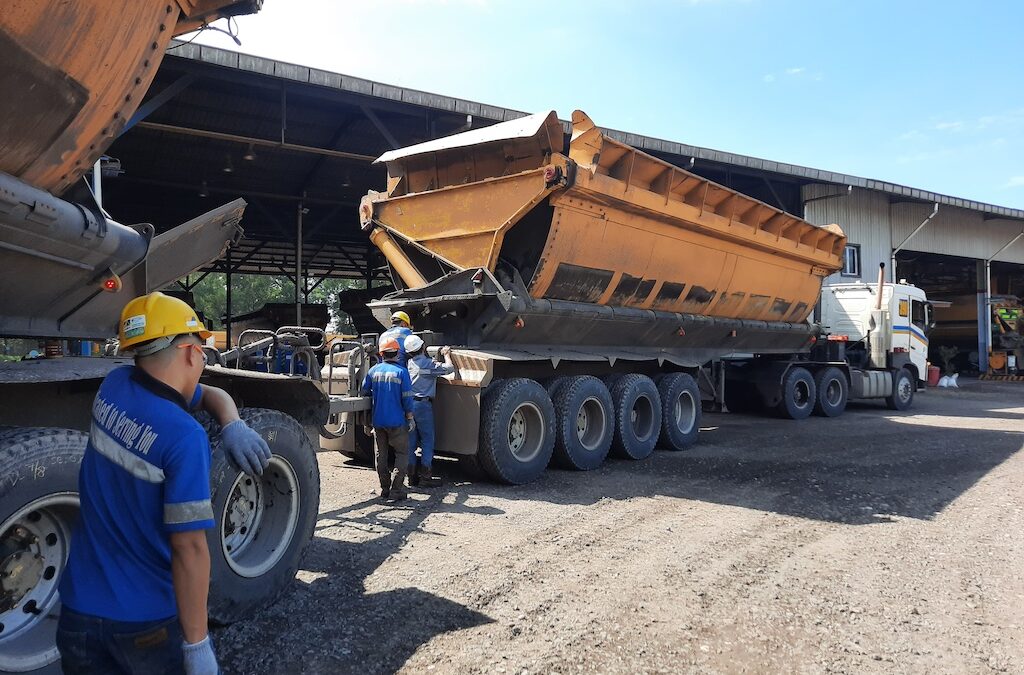
In trailer operations across industries such as mining, construction, heavy equipment, and logistics, attention is often focused on visible components like braking systems, tires, or the chassis structure. However, there are critical components that are rarely seen but play a vital role in maintaining vehicle performance and safety: axles and bearings.
Axles and bearings work behind the scenes within the wheel system, carrying the heaviest loads of the trailer—whether transporting heavy cargo, operating on rough terrain, or traveling long distances. Without these components functioning properly, the entire movement system of the trailer can be compromised. The risks are significant, ranging from increased friction and overheating to total failure that can lead to downtime or even accidents in the field.
For this reason, understanding their function, recognizing early signs of damage, and ensuring proper maintenance are essential steps for operators and technicians to maintain safe and efficient operations.
Function of Axle & Bearing in Trailer Systems
Simply put, the axle is the main shaft that connects the wheels to the trailer structure. Its primary role is to support and distribute the vehicle’s load evenly across the wheels. In industrial operations, axles must withstand continuous heavy pressure, especially when trailers carry large loads over uneven terrain.
Meanwhile, the bearing allows the wheels to rotate smoothly with minimal friction. Located within the wheel hub, bearings rely on proper lubrication to ensure stable rotation, even under heavy loads and demanding operating conditions.
Together, axles and bearings ensure efficient trailer movement, maintain vehicle stability, and reduce wear on other components. If either component fails to perform properly, the overall performance of the trailer will be directly affected.
Early Signs of Axle & Bearing Failure
Damage to axles and bearings rarely occurs suddenly. Instead, it develops gradually and is often overlooked without routine inspections. One of the earliest indicators is an increase in temperature at the wheel hub. Bearings that are worn or lack proper lubrication generate higher friction, resulting in excessive heat. Additionally, unusual humming or grinding noises during operation can signal early bearing failure.
Other common signs include vibrations in the wheels or chassis, indicating imbalance or internal wear. In some cases, leakage of grease or oil around the hub suggests that the seal is no longer functioning properly. If these warning signs are ignored, the damage can escalate quickly and lead to complete component failure.
Impact of Axle & Bearing Failure on the Road
Failure of the axle or bearing during operation can have serious consequences. One of the most critical risks is overheating leading to bearing seizure, which prevents the wheel from rotating properly. In extreme cases, this can cause the wheel to lock or even detach from the hub.
Bearing failure can also trigger chain damage to other components, including the hub, braking system, and axle itself. This not only increases repair costs but also results in operational downtime that disrupts productivity.
In industries such as mining or construction, component failure during operation can significantly increase the risk of accidents, endangering both drivers and personnel in the surrounding work area. Therefore, preventive maintenance is far more effective than reactive repairs.
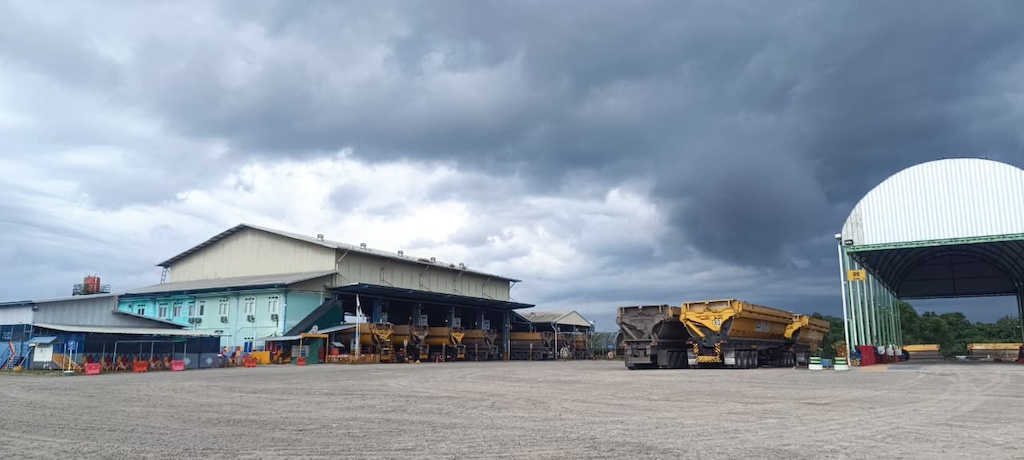
Heavy equipment industrial workshop area with several dump trailers (Photo by: TDU)
The Importance of Grease & Seals in Bearing Performance
One of the most critical factors affecting bearing lifespan is proper lubrication (grease) and the condition of the seal. Grease reduces friction between metal components within the bearing and helps dissipate heat generated during operation. Without sufficient lubrication, bearings operate under dry conditions, accelerating wear and increasing the risk of overheating.
Equally important is using the correct type of grease. Inappropriate lubrication may fail to perform under heavy loads or high temperatures, reducing overall effectiveness.
Seals play a crucial role in keeping grease contained within the system while preventing contaminants such as water, dust, and mud from entering. In harsh environments—especially in mining areas or during the rainy season—damaged seals can allow contamination that significantly accelerates bearing wear. For this reason, regular inspection of both grease condition and seals is essential to maintaining optimal axle and bearing performance.
Conclusion
Although axles and bearings are not always visible components in trailer operations, their role is critical in maintaining stability, efficiency, and safety. As components that carry the heaviest loads, they must remain in optimal condition to ensure reliable performance under demanding conditions.
Understanding their function, recognizing early signs of damage, and maintaining proper lubrication and sealing systems are key steps in preventing major operational risks. In industries where efficiency and minimal downtime are crucial, paying attention to small components like axles and bearings can make a significant difference. Investing in proper maintenance not only protects these components but also ensures long-term operational reliability, productivity, and safety.
Read other Articles: 4 Common Problems That Occur in Trailer Vehicles