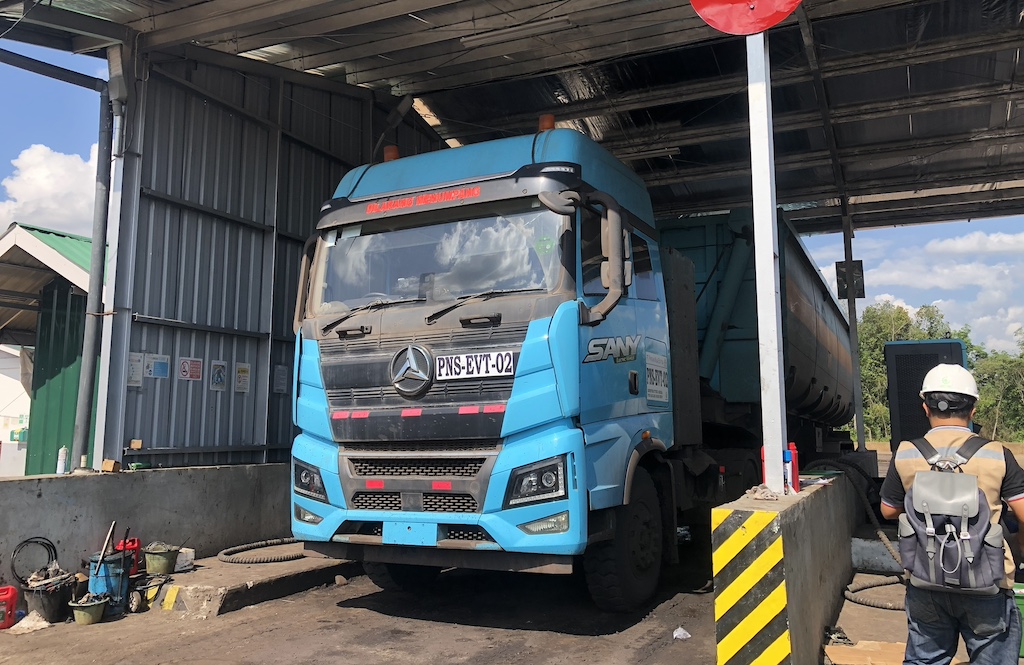
In industrial operations such as mining, heavy equipment logistics, infrastructure construction, and other large-scale projects, trailers play a crucial role in transporting materials and machinery. These trailers are designed to operate under heavy loads, long working hours, and challenging environments.
However, in real operational conditions, the biggest threat to trailer performance does not always come from major damage that is clearly visible. Instead, many problems begin with small issues that develop gradually and are difficult to detect at first. The components are still installed properly, the system is still functioning, and the trailer can still operate as usual. Because of this, operators and maintenance teams often assume that everything is still within normal limits.
In reality, several components may already be operating outside their optimal technical tolerance. Minor trailer damage often develops silently. There are no loud noises, no broken parts, and no systems that completely stop working. This is exactly what makes this type of damage more dangerous. Without realizing it, components continue operating under non-ideal conditions until they eventually lead to larger failures, operational downtime, and even safety risks.
In industrial trailer operations, understanding the difference between a truly broken component and a component that has reached critical wear is extremely important.
Damage Often Develops Quietly
Many trailer problems do not begin with major failures that immediately stop operations. Most of them start with small mechanical changes that gradually occur during usage. Material wear is an unavoidable process in mechanical systems. Any component that works under pressure, load, and friction will eventually experience performance degradation over time. The real issue is not the wear itself, but how these gradual changes affect the overall system performance.
In many field cases, the trailer still appears normal visually. Components are still installed properly, no parts are broken, and the system still performs its basic function. However, several parts may already be operating beyond their original design tolerance. For example, in mechanical connection systems such as the kingpin and wearing ring, even a small tolerance change can lead to uneven load distribution. The same situation can occur in the braking system, where minor changes on the surface of the brake drum or brake lining can affect braking efficiency. Because these changes happen gradually, they often go unnoticed until they develop into a larger problem.
Minor Damage Is Often Invisible
One of the biggest challenges in trailer maintenance is that minor damage cannot always be detected through simple visual inspection. Many components may still look normal from the outside, even though technically they are no longer operating under optimal conditions. For example, a brake drum may still appear intact without visible cracks. However, if the drum surface has developed uneven wear due to heat or friction, the contact with the brake lining will no longer be optimal. This can lead to uneven braking performance.
The same situation can occur with components such as the camshaft and the slack adjuster in a drum brake system. When small mechanical changes occur within these components, the braking system may still feel strong to the driver. However, in reality, the braking force distribution between wheels may already be unbalanced. Minor issues like these often do not immediately affect daily operations. The trailer can still move, loads can still be transported, and the system still functions. But this condition can gradually lead to accumulated problems that become much more serious over time.
The Difference Between Worn Components and Broken Components
In a trailer mechanical system, it is important to understand the difference between worn components and broken components. These two conditions are often considered the same, even though technically they have different operational impacts. A broken component usually shows clear signs. It may be cracked, fractured, unable to move, or completely unable to perform its function. This type of failure is relatively easy to identify because the impact is immediately visible in the trailer’s performance.
On the other hand, worn components can still function. The basic function of the component may still exist, but its performance is no longer optimal. The surface may have thinned, the shape may have slightly changed, or the tolerance between parts may no longer match the original design specifications. The problem is that worn components are often still used because they are considered “still working.”
In reality, this condition can create additional stress on other components within the system. For example, worn brake lining will not generate the same friction force as a new one. As a result, the braking system must work harder to produce the same braking effect. Over time, this can accelerate wear on other components, such as the brake drum or camshaft.
Increasing Clearance and Its Impact
In trailer mechanical systems, clearance (the gap between components) is a critical parameter designed with high precision by manufacturers. Proper clearance allows components to move smoothly without creating excessive friction or uneven pressure. However, over time, wear can cause this clearance to become larger than the recommended standard.
At the early stage, the change may be very small, but the impact can be significant for system stability. For example, in the kingpin and fifth wheel connection, excessive clearance can cause unstable movement between the tractor and the trailer. This may affect vehicle handling, especially when turning or carrying heavy loads.
In the braking system, incorrect clearance can slow the braking response. The brake lining may take longer to contact the brake drum, resulting in longer stopping distances. Small changes like this often go unnoticed by operators, but in heavy operational conditions, the consequences can be significant.
Friction That Is No Longer Ideal
Friction is the fundamental principle that allows many mechanical systems to function properly, including trailer braking systems. However, ideal friction only occurs when the component surfaces are in the correct condition.
When wear occurs on components such as the brake drum or the brake lining, the surface characteristics may change. The surface can become uneven, overly smooth, or even deformed due to heat exposure. These changes cause the contact between the two surfaces to become less effective. As a result, pressure distribution becomes uneven. Some areas may receive higher pressure, while others may barely work at all.
In braking systems, this condition can cause unstable braking performance. One wheel may produce a stronger braking force than another. Over time, this imbalance can accelerate component wear and increase the risk of system failure.
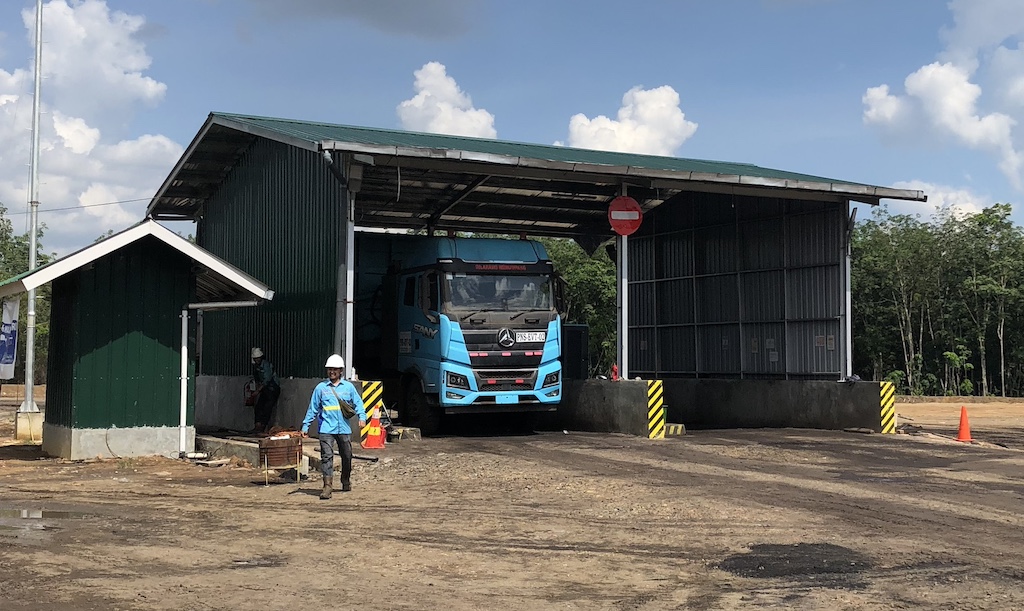
In the world of industrial trailer operations, understanding the difference between truly damaged components and components that have experienced critical wear is crucial. (Source: TDU)
Real Case in Field Operations
In many real operational environments, minor damage often becomes the main cause of unexpected downtime. For example, trailers are used for heavy logistics or mining material transportation. At first, the braking system still feels normal. There are no clear signs of major failure, and the trailer continues operating as usual. After some time, however, operators may begin to notice slight changes in braking response.
Further inspection eventually reveals that the brake lining has worn unevenly. As a result, certain areas of the brake drum receive higher pressure and experience overheating. This condition eventually causes deformation of the drum surface. What initially started as minor wear eventually develops into a much more serious failure. The trailer must be taken out of operation to replace larger components, which requires additional time and cost. This type of case shows how small issues that are not addressed early can quickly grow into major operational problems.
Conclusion
In industrial trailer operations, the biggest threat does not always come from major damage that immediately stops the system. In fact, many serious problems begin with small changes that gradually occur within components. Minor damage often goes unnoticed visually and does not immediately affect operational performance. However, behind this seemingly normal condition, many components may already be operating beyond their safe tolerance limits.
Understanding the difference between worn components and broken components is an essential step in an effective trailer maintenance strategy. By conducting more thorough inspections and recognizing early signs of performance changes, companies can prevent larger failures and significantly reduce the risk of operational downtime.
Ultimately, maintaining trailer performance is not only about replacing components that are already broken. More importantly, it is about identifying small changes early — before they develop into major failures that affect safety, efficiency, and operational productivity.
Read other Articles: The Importance of Work Safety in Industries Using Trailers and Heavy Equipment