
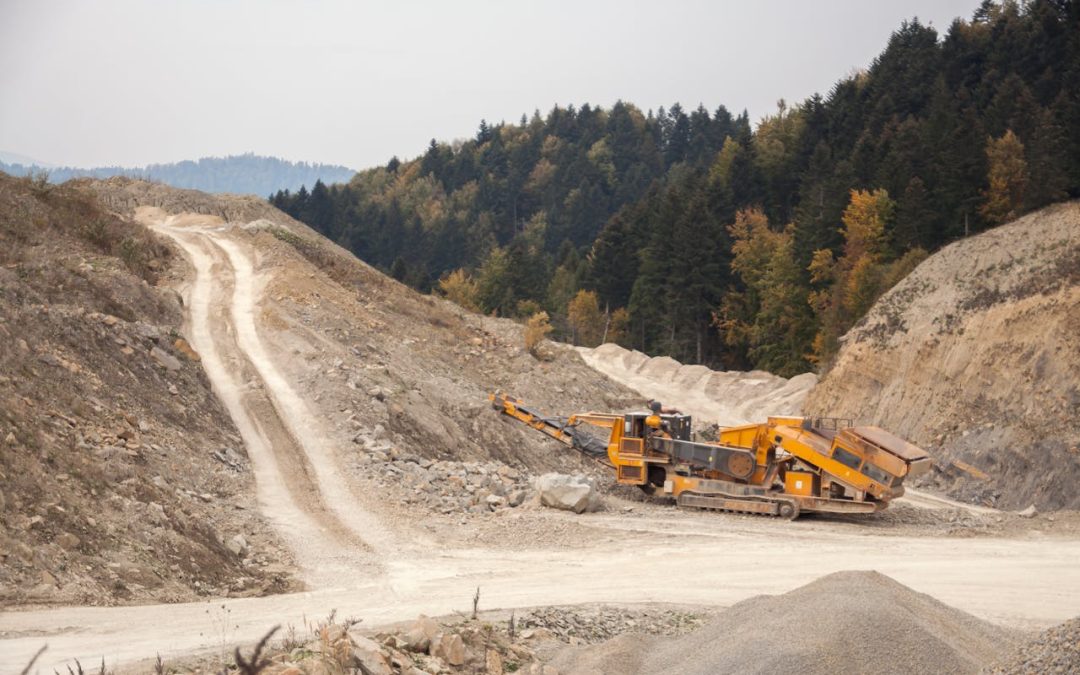
The mining industry is the backbone of the Indonesian economy, contributing significantly to national income through the export of various types of mining materials. However, uncontrolled mining activities can have a significant negative impact on the environment. Therefore, sustainability is one of the main focuses in managing the mining industry in Indonesia. This article highlights the importance of sustainability in mining, government and industry efforts, and innovations in environmental management technology.
The Importance of Industrial Mining Materials for the Indonesian Economy
Indonesia is known as one of the largest mining material-producing countries in the world. Coal, nickel, copper, bauxite, and gold are some of the mining commodities that are the mainstay of Indonesia’s exports. These natural resources make a significant contribution to the Gross Domestic Product (GDP), create jobs, and are a major source of income for many regions in Indonesia. Coal is a primary raw material for domestic power plants and is also exported to meet global energy demands.
Nickel, on the other hand, is increasingly important in the battery industry, especially with the development of electric vehicle technology. Meanwhile, other commodities such as copper and bauxite also play an important role in the electronics and construction industries. With the increasing global awareness of climate change and environmental impacts, the mining industry faces challenges in implementing sustainable practices. Sustainability in the mining industry is not only important to maintain environmental balance, but also to ensure the sustainability of the industry in the future.
Read other articles: The Largest Coal Producing Provinces in Indonesia
Government and Industry Efforts to Implement Sustainable Mining Practices
The Indonesian government has taken significant steps to ensure that mining practices in the country are carried out responsibly and sustainably. The government, through regulations and policies, encourages mining companies to adopt high standards in environmental management, occupational safety, and social responsibility. One important initiative is the implementation of Law Number 4 of 2009 concerning Mineral and Coal Mining, which regulates the obligations of mining companies to carry out post-mining land reclamation.
The government introduced the Sustainable Development Program in the mining sector to integrate sustainability principles into all aspects of a company’s operations. The mining industry in Indonesia has also begun to respond by adopting various sustainability initiatives. Companies like PT Freeport Indonesia and PT Vale Indonesia implement sustainability programs to reduce emissions and improve efficiency. In addition, mining companies also strive to involve local communities in natural resource management, provide training, and create better jobs.
Development of New Technologies to Minimize Environmental Impacts
Technological innovation plays an important role in efforts to minimize the environmental impact of mining activities. In this digital era, various new technologies have been developed to support more efficient and environmentally friendly mining practices. One significant innovation is satellite mapping and monitoring technology that allows mining companies to monitor environmental conditions in real time. This technology helps in identifying potential environmental risks and allows for faster preventive actions.
In addition, more sophisticated wastewater treatment technologies have also been developed to reduce water pollution from mining activities. This efficient treatment process helps companies minimize hazardous waste, protecting water and soil ecosystems from pollution. Reducing emissions focuses on using alternative fuels and enhancing energy efficiency in mining facilities as key strategies. Electric vehicle technology and heavy equipment automation are innovations adopted by mining companies to reduce their carbon footprint. The use of renewable energy such as solar and wind power in mining facilities is also a growing trend.
Challenges and Future Prospects of the Mining Industry in Indonesia
Despite efforts to enhance mining sustainability, numerous challenges remain, requiring ongoing attention and innovative solutions to overcome. The biggest challenge is to ensure that all mining companies, including small ones, implement responsible and sustainable mining practices. Non-compliance with regulations and illegal mining practices are still significant problems in some areas. In addition, climate change is also a major challenge for the mining industry. Frequent extreme weather and natural disasters can disrupt mining operations and pose a major risk to worker safety. On the other hand, the outlook for the Indonesian mining industry remains bright due to the global demand for nickel and copper in high-tech and renewable energy. The government and industry need to work together to overcome the challenges, ensuring that the growth of the Indonesian mining industry remains sustainable and contributes positively to the economy.
Conclusion
Sustainability in the mining industry is an imperative that cannot be ignored. With various initiatives and innovations that have been and are being developed, Indonesia has a great opportunity to lead in responsible and environmentally friendly mining practices. Success in meeting these challenges will not only ensure a sustainable future for the mining industry but will also provide long-term benefits for the Indonesian economy and society as a whole.