Introduction
Workplace safety is a top priority across various industries, including mining, construction, heavy equipment, energy, logistics, and infrastructure projects. Safety procedures, operator training, and the use of personal protective equipment have become standard practices to minimize risks in the workplace.
However, one critical factor that is often overlooked is the condition of the trailer used in daily operations. In reality, trailers play a vital role in transporting materials, moving equipment, and handling large loads across different work environments.
Many workplace accidents are not caused solely by human error or environmental conditions. They can also result from vehicle component failures that were not detected early. A brake system that does not perform properly, an unstable suspension system, or malfunctioning lights can significantly increase the risk of accidents both on public roads and within operational sites.
For this reason, maintaining trailer condition is not only about operational reliability and cost efficiency. It is also a key part of creating a safe, productive, and sustainable working environment.
Brake Systems and Operational Accident Risks
The brake system is one of the most critical safety components of a trailer. It is responsible for controlling vehicle speed, maintaining stability while carrying heavy loads, and ensuring the trailer can stop safely when required.
In industrial operations, trailers often work in challenging environments such as mine roads, construction sites, steep grades, and busy transportation routes. Under these conditions, braking performance becomes a major factor in ensuring operational safety.
Brake system issues can occur in several forms, including:
- Worn brake linings
- Deformed brake drums
- Poorly functioning camshafts
- Misadjusted slack adjusters
- Air system leaks
These problems usually develop gradually and may not be immediately visible. In the early stages, the brakes may still feel normal. However, when the trailer is carrying a maximum load or requires sudden braking, performance can decline significantly.
As a result, several safety risks may arise, such as:
- Increased stopping distance
- Difficulty controlling the vehicle on downhill roads
- Uneven braking between wheels
- A higher risk of collisions with vehicles or surrounding objects
In many cases, brake system failure is one of the leading causes of heavy vehicle accidents. Therefore, regular brake inspections and maintenance should always be a top priority within any operational safety program.
Suspension Systems and Trailer Stability
In addition to the braking system, the suspension system plays a crucial role in maintaining trailer stability during operation. It helps distribute loads evenly, absorb vibrations, and maintain tire contact with the road surface.
For trailers carrying heavy loads, the suspension condition directly affects vehicle stability when:
- Maneuvering
- Traveling over uneven surfaces
- Turning
- Driving on slopes and declines
Key suspension components that require regular inspection include:
- Leaf springs
- Air suspension systems
- Bushings
- Torque rods
- U-bolts
When any of these components become worn or damaged, vehicle stability can decrease significantly. The trailer may sway excessively, become harder to control, or experience uneven load distribution.
Potential consequences include:
- Accelerated tire wear
- Increased rollover risk during maneuvers
- Excessive stress on other components
- Reduced driving comfort and vehicle control
In high-risk environments such as mining and construction sites, a loss of trailer stability can have serious consequences for both operators and nearby personnel.
Lighting and Visibility: An Often Underestimated Safety Factor
One safety aspect that is frequently underestimated but has a major impact on operational safety is the trailer’s lighting system.
Lights serve as a visual communication tool between the driver and other road users or workers in the operational area. A properly functioning lighting system helps ensure that the trailer’s position, movement, and direction are clearly visible.
The following components should always be checked:
- Brake lights
- Turn signals
- Marker lights
- Position lights
- Reflectors and reflective tape
Poor weather conditions such as heavy rain, fog, dust, or nighttime operations can significantly reduce visibility. In these situations, the lighting system becomes the first line of defense against accidents.
If the lighting system is not functioning properly, several risks may occur:
- Other drivers may not realize the trailer is stopping
- Misunderstanding of the trailer’s intended direction
- Increased risk of rear-end collisions
- Difficulty identifying the trailer’s position within the work area
Although often considered a basic feature, lighting and electrical systems contribute directly to daily operational safety.
The Impact of Trailer Condition on Operators and Field Personnel
Trailer condition affects more than just vehicle performance. It also has a direct impact on the safety and well-being of operators and everyone working around the operational area.
Operators are often the first to experience the effects of equipment that is not in optimal condition. Suspension issues can create excessive vibration, unbalanced braking systems can reduce vehicle control, and worn components can create uncertainty during operation.
Over time, these issues may lead to:
- Faster operator fatigue
- Reduced concentration
- Increased operational stress
- A higher likelihood of human error
In addition to operators, workers near operational routes are also affected. Trailers with mechanical issues have a greater potential to cause incidents that may endanger nearby personnel.
For this reason, maintaining trailer condition should be viewed not only as protecting company assets but also as protecting the people who rely on those assets every day.
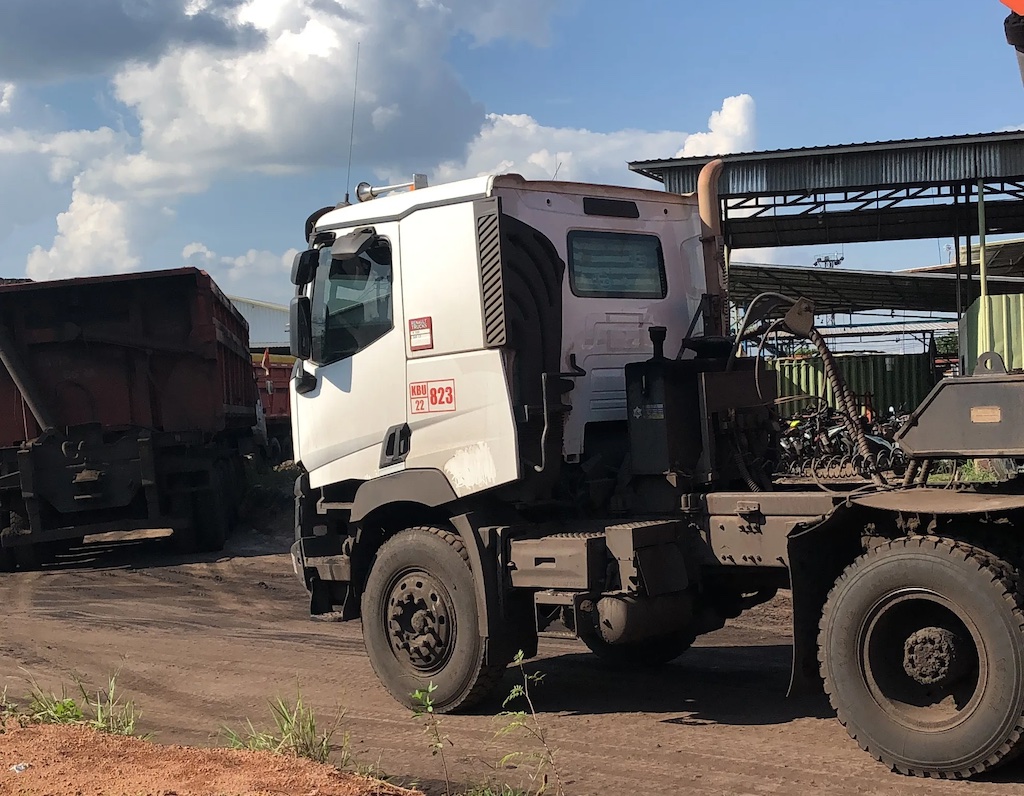
Tractor heads for logistics and heavy transportation needs in the operational areas of trailer and industrial vehicle fleets (Image source: TDU)
Building a Safety Culture Through Trailer Maintenance
Workplace safety is not built solely through rules and procedures. It also requires a commitment to ensuring that every operational unit is maintained in the best possible condition.
Pre-operation inspections, scheduled maintenance programs, and timely replacement of worn components are all essential parts of a strong safety culture.
A preventive maintenance approach helps companies:
- Reduce the likelihood of component failure
- Lower accident risks
- Extend asset lifespan
- Improve operational productivity
- Protect operators and field personnel
In other words, investing in trailer maintenance is not just an investment in equipment—it is an investment in people and workplace safety.
Conclusion
The condition of a trailer is closely connected to workplace safety in the field. Reliable brake systems, stable suspension systems, effective lighting, and well-maintained components all play important roles in reducing accident risks and supporting smooth operations.
In demanding industrial environments, neglecting trailer condition can increase the likelihood of incidents that negatively affect both safety and productivity. On the other hand, regular inspections and proper maintenance help companies create a safer, more efficient, and more sustainable work environment.
Ultimately, workplace safety depends not only on operator skills and safety procedures but also on the readiness of every trailer component supporting daily operations. A well-maintained trailer is more than just a reliable asset—it is one of the foundations of a strong safety culture in the industrial sector.
Read other Articles: Identify Risks to Create a Healthy and Safe Work Environment