
Introduction
The braking system is one of the most important components for maintaining vehicle safety and control, especially for trailers used to transport materials, equipment, and heavy loads. In industries such as mining, heavy equipment, construction, industrial transportation, and other demanding applications, trailers often operate under much more challenging conditions than vehicles used for general purposes. Heavy loads, long-distance travel, downhill roads, frequent braking, and dusty environments require braking systems that can perform consistently and reliably.
Choosing the right braking system becomes even more important when a trailer carries heavy loads. A braking system not only stops the vehicle but also helps control speed, maintain vehicle stability, and reduce the risk of losing control under demanding operating conditions. Therefore, components such as brake drums, brake discs, brake linings, brake pads, calipers, and the braking actuation system need to be considered as part of an integrated system.
Two common types of braking systems used in vehicles and trailers are drum brakes and disc brakes. Both use friction to slow down the vehicle, but they have different designs, operating principles, and performance characteristics.
Understanding the differences between brake drums and disc brakes can help operators, engineers, fleet managers, and maintenance teams determine which braking system is more suitable for their operational requirements. There is no single braking system that is automatically suitable for every application because the right choice depends on factors such as vehicle load, operating conditions, maintenance requirements, environmental conditions, and vehicle configuration.
Understanding Brake Drums and Disc Brakes
Before comparing the two systems, it is important to understand the basic concept behind each one.
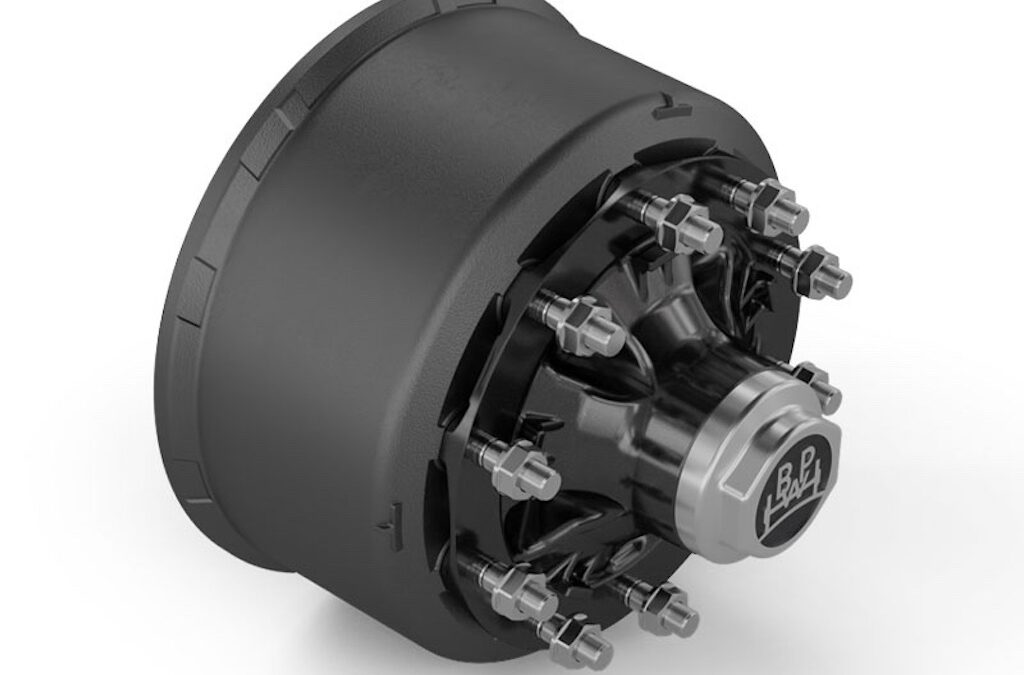
A drum brake is a braking system that uses a drum-shaped component as the friction surface. Inside the drum are brake shoes equipped with friction material, commonly known as brake lining. When the braking system is activated, the brake shoes are pushed outward against the inner surface of the drum, creating friction that slows down the rotation of the wheel.
A disc brake, on the other hand, uses a disc or rotor that rotates together with the wheel. When the brake is activated, brake pads are pressed against both sides of the disc by a caliper. The friction between the brake pads and the disc generates braking force and reduces the rotational speed of the wheel.
Although both systems use friction to convert kinetic energy into heat, their designs and methods of heat dissipation are different.
How Does a Drum Brake Work?
In a drum brake system, the main component is the brake drum, which is connected to the hub and wheel and rotates as the vehicle moves. Inside the drum are brake shoes equipped with brake lining as the friction material.
When the driver or braking system activates the brake, force from the actuation mechanism is transferred to the brake shoes. The brake shoes then move outward and press against the inner surface of the brake drum. The contact between the brake lining and the drum surface creates friction that opposes the rotation of the drum.
This process converts the vehicle’s kinetic energy into heat. The greater the braking force, the more energy the friction components need to absorb. Once the braking force is released, the brake shoes return to their original position, allowing the wheel to rotate normally again.
In trailer and heavy-duty vehicle applications, drum brakes can be used with pneumatic braking systems or other types of actuation systems. Pneumatic systems are widely used in commercial vehicles and trailers because they can generate the required actuation force for heavy vehicles.
One important characteristic of drum brakes is their relatively enclosed design. The brake drum protects the friction components inside from direct exposure to the external environment. This can be an advantage in certain operating conditions, but it also affects how heat generated during braking is dissipated.
When a vehicle brakes repeatedly, particularly while carrying a heavy load or traveling downhill, brake temperatures can increase significantly. If heat cannot be dissipated effectively, braking performance may decrease.
This is one of the key factors that should be considered when drum brakes are used in applications involving frequent or intensive braking.
How Does a Disc Brake Work?
Unlike drum brakes, disc brakes use a brake disc or rotor that is mounted to the wheel hub and rotates together with the wheel.
When the braking system is activated, pressure from the actuation system is transferred to the brake caliper. The caliper then applies force to the brake pads, causing them to clamp against both sides of the disc.
The friction between the brake pads and the brake disc generates force that slows down the disc and wheel. Similar to a drum brake, the vehicle’s kinetic energy is converted into heat during this process.
One of the main characteristics of a disc brake is its relatively open design. Because the disc is exposed to the surrounding air, heat generated during braking can be dissipated more effectively through airflow.
This characteristic makes disc brakes widely used in applications that require consistent braking performance and have high thermal demands.
When a vehicle undergoes repeated braking, the ability of the system to control temperature becomes an important consideration. Excessive temperatures can affect friction materials and other braking components. Therefore, disc design, brake pad material, caliper size, and the overall heat dissipation capability of the system need to be considered when designing a heavy-duty braking application.
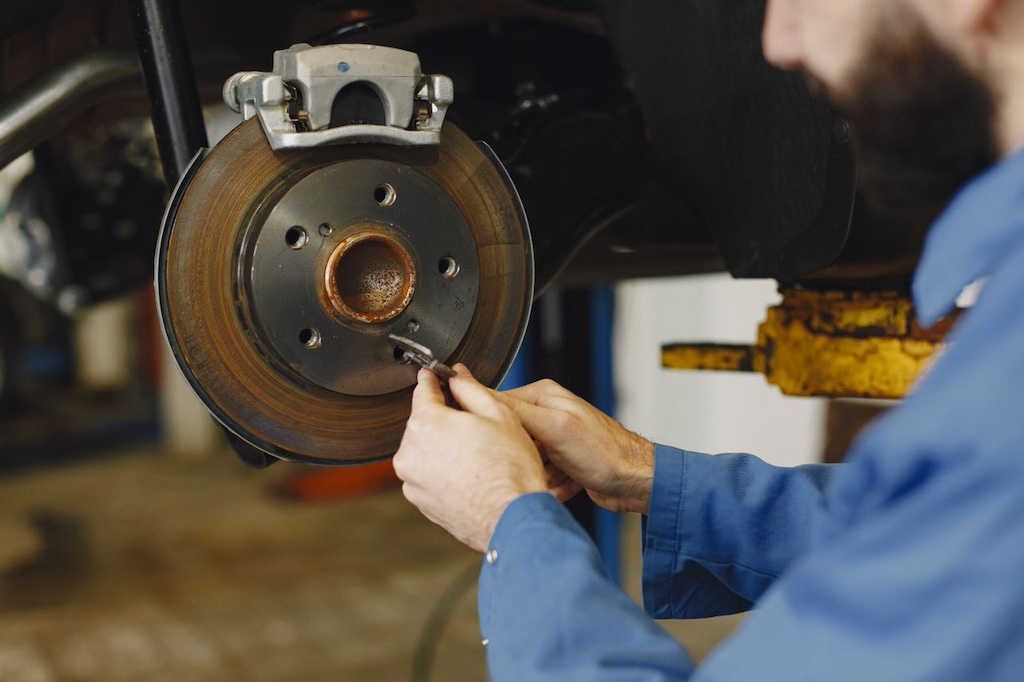
Another advantage is that several disc brake components can be inspected visually with relative ease. The condition of the disc and brake pads can often be checked without removing a housing or dismantling the system in the same way that may be required with certain drum brake configurations.
Brake Drum vs Disc Brake: What Are the Differences?
The difference between drum brakes and disc brakes is not limited to the shape of their components. Both systems have different characteristics in terms of construction, thermal management, maintenance, and application.
In a drum brake, braking occurs when brake shoes press against the inner surface of the drum. In a disc brake, brake pads clamp against both sides of the disc.
From a design perspective, drum brakes have a more enclosed construction, while disc brakes have a more open design. This difference affects how both systems dissipate heat and how much their components are exposed to the surrounding environment.
Under heavy and repeated braking conditions, heat dissipation is an important consideration. Disc brakes generally have good heat dissipation characteristics because the disc surface is more exposed to airflow. Drum brakes have a more enclosed design, which can make it more difficult to dissipate heat when the system is subjected to high braking loads continuously.
However, thermal performance is not the only factor that determines which system should be selected. For heavy-duty applications, factors such as initial cost, availability of spare parts, ease of maintenance, durability, environmental conditions, and axle and trailer configuration should also be considered.
Advantages and Disadvantages of Drum Brakes
Drum brakes are still widely used in commercial vehicles and trailers because they offer several characteristics that are suitable for certain applications.
One of their advantages is their relatively protected construction. The brake shoes and brake lining are located inside the drum and are not directly exposed to the external environment. Under certain operating conditions, this design can help protect friction components from external contamination.
Drum brakes can also generate substantial braking force with a relatively straightforward design. The self-energizing effect found in some drum brake designs allows frictional force to assist in increasing the braking force generated by the system. This characteristic can be beneficial in heavy-duty applications.
In terms of cost, drum brakes can also offer certain advantages, particularly in applications that already have compatible infrastructure, components, and maintenance systems.
However, drum brakes also have limitations. One of the most important is their heat dissipation capability. Because the friction components are located inside the drum, heat generated during intensive braking can accumulate.
If a vehicle repeatedly brakes over an extended period, temperatures can rise and potentially contribute to brake fade, which refers to a reduction in braking effectiveness caused by thermal conditions and changes in friction material performance.
Maintenance on drum brakes may also require disassembly to access internal components. Dust generated by brake lining wear can accumulate inside the drum and should be considered during inspection and maintenance.
Therefore, drum brakes can be a suitable option for certain applications, but their thermal characteristics and maintenance requirements should be considered carefully.
Advantages and Disadvantages of Disc Brakes
Disc brakes have several characteristics that make them suitable for modern heavy-duty vehicles and trailer applications.
One of their main advantages is heat dissipation. Because the disc is relatively exposed, heat generated during braking can be released more effectively through airflow.
This characteristic is important for vehicles that frequently perform high-intensity braking. A system with effective temperature control can help maintain more consistent braking performance.
Disc brakes can also provide relatively consistent braking response. Braking force is applied directly through the brake pads and disc, making the system easier to control in many applications.
From a maintenance perspective, the condition of brake pads and discs can also be relatively easy to inspect visually. This can help maintenance teams identify wear and potential problems during routine inspections.
However, disc brakes also have disadvantages. Depending on the configuration and specifications, the initial cost can be higher. Components such as discs, calipers, brake pads, and related hardware must also be selected according to axle capacity and vehicle load requirements.
In addition, their more open construction means that disc brake components are more exposed to environmental conditions. Water, mud, dust, and abrasive materials can affect component condition if the system is not properly designed and maintained.
Therefore, disc brakes used in industrial environments still require an appropriate inspection and maintenance program.
Factors to Consider When Selecting a Braking System for Trailers and Heavy-Duty Vehicles
The choice between drum brakes and disc brakes should not be based solely on price or preference for one technology. The braking system should be matched to the characteristics of the vehicle and its operating environment.
1. Vehicle Load and Gross Vehicle Weight
Vehicle load is one of the most important factors when determining braking requirements. A trailer carrying a heavy load requires a braking system capable of generating sufficient braking force for the vehicle’s total mass.
The greater the vehicle mass, the greater the kinetic energy that must be reduced during braking. Therefore, brake capacity must be appropriate for the Gross Vehicle Weight Rating (GVWR), axle load, and vehicle configuration.
Selecting components that are not properly matched to the vehicle’s capacity can increase the risk of overheating, excessive wear, and reduced braking performance.
2. Operating Conditions
The way a trailer is used should also be a major consideration.
A trailer operating at a mining site has different operating characteristics from a trailer used for highway transportation. Mining vehicles may encounter uneven roads, steep inclines and declines, dust, mud, and demanding duty cycles.
Highway trailers, meanwhile, may spend more time traveling long distances with varying speeds and traffic conditions.
These differences in duty cycles can affect the braking system requirements.
3. Braking Frequency
How frequently a vehicle brakes also influences the appropriate braking system.
In applications involving repeated braking, heat becomes a critical factor. The braking system must be capable of handling the thermal load without experiencing a significant reduction in performance.
Therefore, vehicles that frequently perform heavy braking should consider the thermal management capability of the overall braking system.
4. Operating Terrain
The terrain where the vehicle operates can also affect braking requirements.
Long downhill roads can cause the brakes to operate for extended periods. Under these conditions, speed control should not rely solely on the service brakes. Engine brakes, retarders, or other auxiliary braking systems can help reduce the thermal load placed on the service brakes.
For mining and construction applications, terrain characteristics should be evaluated together with the vehicle configuration before selecting a braking system.
5. Environmental Conditions
Dust, mud, water, sand, and other materials can affect braking components.
In mining and construction environments, exposure to contaminants can occur continuously. Therefore, component design, sealing, friction materials, and inspection procedures should be appropriate for the actual operating conditions.
Brake selection should not only consider performance when components are new, but also how the system is expected to maintain performance after prolonged operation in real-world conditions.
6. Maintenance and Spare Parts Availability
A braking system requires regular inspection and maintenance. Therefore, spare parts availability should be part of the selection process.
Components such as brake linings, brake pads, drums, discs, calipers, springs, actuators, and other hardware need to be available according to fleet requirements.
If a particular component is difficult to obtain, vehicle downtime may increase when repairs or replacements are required.
For large fleets, component standardization can also help simplify inventory management and maintenance processes.
7. Total Cost of Ownership
Initial purchase price is not the only cost that should be considered.
In industrial applications, Total Cost of Ownership (TCO) can include component costs, installation, inspection, maintenance, replacement, downtime, and spare parts requirements.
A system with a higher initial purchase price does not necessarily result in higher operating costs throughout its service life. Likewise, a system with a lower initial cost should also be evaluated based on its replacement and maintenance requirements.
Therefore, decisions should be based on the overall cost throughout the vehicle’s lifecycle.
8. Regulations and Vehicle Specifications
The braking system must also comply with applicable regulations and technical requirements.
Specifications for axles, trailers, braking systems, brake actuators, friction materials, and supporting components must comply with the requirements relevant to the vehicle type and operating region.
For industrial applications with specific requirements, consulting the vehicle manufacturer or a technical specialist can help ensure that the braking configuration is appropriate for the vehicle specifications.
The Importance of Brake Maintenance for Industrial Vehicles
Regardless of which type of brake is used, maintenance remains essential for maintaining braking performance.
Routine inspections should cover the condition of friction materials, brake drums or discs, actuators, calipers, hoses, chambers, mounting hardware, and other supporting components.
For drum brakes, inspections may include checking the condition of the brake lining, the inner drum surface, brake shoes, return springs, and other mechanical components.
For disc brakes, inspections may include checking brake pad thickness, disc condition, calipers, and signs of wear or damage.
In addition to component inspections, operators and maintenance teams should pay attention to changes in braking behavior. Vibration, unusual noises, the vehicle pulling to one side during braking, increased stopping distance, or changes in pedal or braking response can indicate that the system requires further inspection.
Preventive maintenance can help identify potential problems before they develop into more serious failures.
https://www.pexels.com/photo/a-person-fixing-a-car-6870300/
Brake Drum vs Disc Brake: Which One Is Right for You?
The question of which is better between brake drums and disc brakes cannot be answered simply by choosing one over the other.
Both systems have different characteristics and applications. Drum brakes offer a relatively protected construction, can generate substantial braking force, and have been widely used in heavy-duty vehicles. Disc brakes, meanwhile, offer advantages in thermal management, visual inspection, and consistent braking characteristics.
The selection should consider vehicle load, duty cycle, braking frequency, operating terrain, environmental conditions, maintenance requirements, spare parts availability, regulations, and total cost of ownership.
For mining, heavy equipment, construction, industrial transportation, and other demanding applications, braking system selection should be based on actual operational data and vehicle specifications rather than simply choosing the technology that is currently more popular.
Conclusion
Brake drums and disc brakes are two braking technologies that use friction to slow down a vehicle, but they have different designs and performance characteristics.
Drum brakes use brake shoes and brake lining that operate against the inner surface of a drum. This system has a relatively enclosed construction and can provide substantial braking force, but its heat dissipation capability needs to be considered in applications involving heavy and repeated braking.
Disc brakes, on the other hand, use brake pads and a disc that is clamped by a caliper. Their more open design allows heat to dissipate more effectively and makes certain components easier to inspect. However, cost, environmental conditions, component requirements, and maintenance still need to be considered.
For mining, heavy equipment, construction, industrial transportation, and other demanding sectors, braking system selection is an important part of an overall safety, reliability, and maintenance strategy. The right system is one that can consistently meet the vehicle’s requirements and operating conditions throughout its service life.
By understanding how drum brakes and disc brakes work, as well as their advantages, disadvantages, and selection factors, companies can make a more informed evaluation before choosing the appropriate braking system for trailers and heavy-duty vehicles.
Read other Articles: Brake Drum: Functions and Main Components