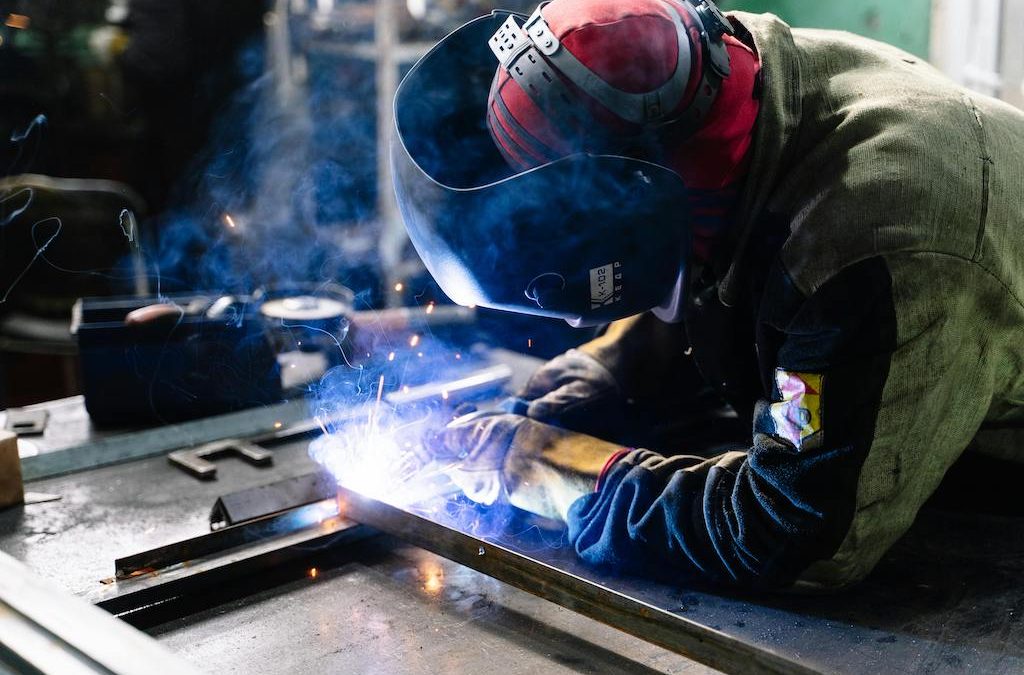
In the trailer transportation industry, safety and operational efficiency are top priorities. To achieve both of these goals, regular maintenance of heavy equipment and replacement of spare parts are essential steps. This article discusses the critical role of heavy equipment in the industry, the risks of failure from lack of maintenance, and the importance of maintaining the performance and reliability of spare parts.
The Vital Role of Heavy Equipment in Various Industries
Heavy equipment plays a vital role in various industrial sectors, including construction, mining, and agriculture. In the construction industry, heavy equipment such as excavators, bulldozers, and cranes are used to lift heavy materials, dig, and build large infrastructure. Without heavy equipment, the efficiency and speed of construction projects would be greatly hampered.
In the mining sector, heavy equipment such as loaders and mining trucks are used to transport large amounts of mined materials. This process not only speeds up resource extraction but also minimizes risks to workers. Meanwhile, in agriculture, tractors and combine harvesters help increase productivity by automating processes that were previously time-consuming and labor-intensive.
The presence of heavy equipment speeds up work, increases productivity, and efficiency, making it a valuable asset for companies.
Potential Damage Due to Lack of Maintenance and Replacement of Spare Parts
Lack of maintenance and replacement of spare parts on heavy equipment can cause various serious problems. Sudden mechanical failure can stop operations, delay projects, and cause major financial losses. In addition, sudden failures can also pose safety risks to workers.
For example, brake system failure can cause fatal accidents in high-risk work environments such as mining or construction. Likewise, hydraulic system or engine failure can result in fuel leaks, creating fire risks and environmental pollution.
Worn components that are not replaced on time can worsen the condition of heavy equipment and increase repair costs. Therefore, companies need to have a regular maintenance schedule and a strict monitoring system to detect and address problems before they become bigger.
The Importance of Maintaining Heavy Equipment Performance and Reliability
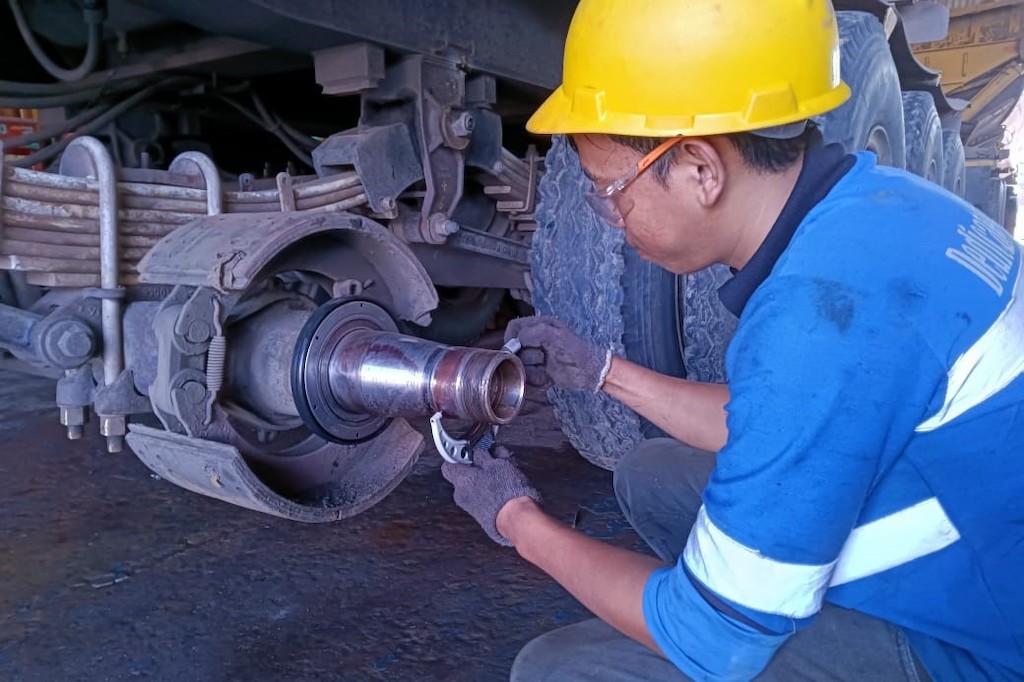
Maintaining heavy equipment performance and reliability is essential for smooth operations and optimizing work results. Well-maintained heavy equipment not only increases work efficiency but also extends the life of the equipment, providing a higher investment value for the company.
Periodic maintenance involves routine inspections, lubrication, replacement of worn parts, and adjustment of mechanical and electrical systems. These steps help prevent serious damage, ensure that the equipment is always in optimal condition, and reduce unexpected downtime. In addition, the use of genuine and high-quality spare parts is essential for maintaining heavy equipment performance and reliability.
Companies that are committed to proper heavy equipment maintenance also demonstrate responsibility for the safety of their workers. By ensuring that all equipment is functioning properly and safely, companies can create a safer and more productive work environment.
Conclusion
Periodic heavy equipment maintenance and replacement of spare parts are essential steps to ensure the safety, efficiency, and reliability of a trailer transportation company’s operations. By understanding the critical role of heavy equipment in various industries, the potential damage that can result from lack of maintenance and the importance of maintaining heavy equipment performance, companies can optimize their work output and avoid unnecessary losses. Investing in regular maintenance is not just about keeping heavy equipment running, but also about protecting a company’s most valuable asset: the safety and well-being of its workers.
Read More Articles: Take Note! Here’s the Maintenance That Must Be Done on Trailers