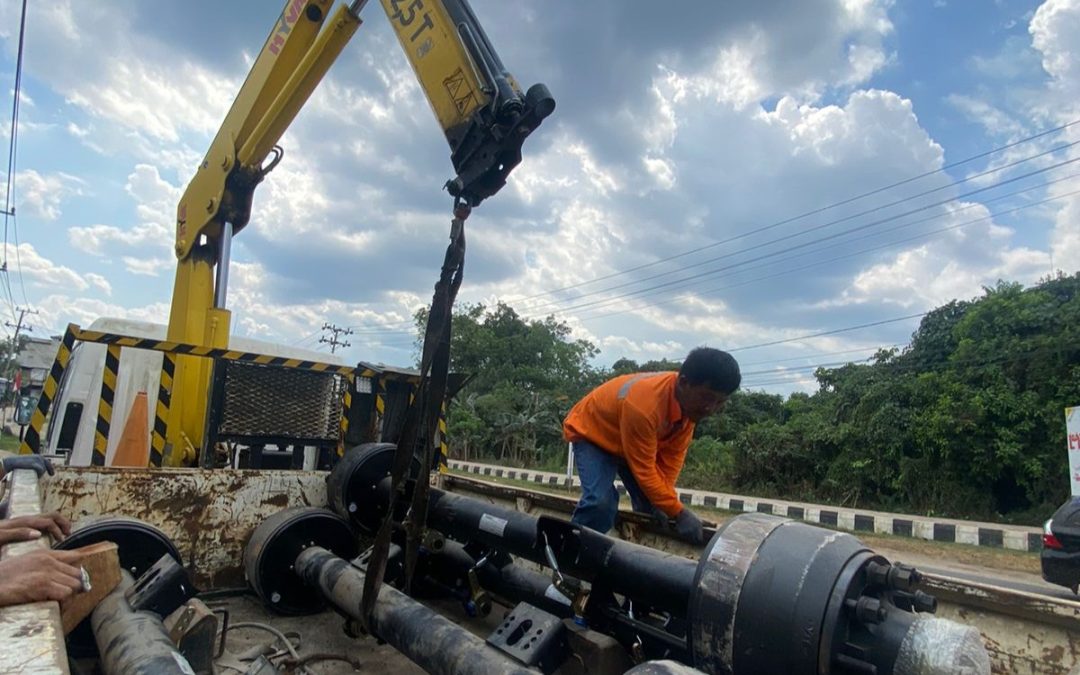
Efficient and effective distribution is key to maintaining smooth operations in the trailer transportation industry, especially when safety is a top priority. In a competitive business environment, companies must face some challenges in managing their supply chains. This article discusses strategies for improving operational efficiency through effective distribution, especially for companies that prioritize safety.
Distribution Challenges in the Industrial Equipment and Parts Supply Chain
The distribution of industrial equipment and parts presents some challenges that trailer transportation companies must overcome. The complexity of the supply chain is often a major issue, with multiple parties involved ranging from suppliers to end customers. In addition, the need for fast and accurate delivery is increasing as market demands become more dynamic. Ensuring adequate stock availability is also crucial to avoid operational delays that can disrupt productivity.
Top Priorities for Trailer Transportation Companies
These challenges are compounded by the need to maintain safety. Trailer transportation must ensure the distribution of industrial equipment and parts is fast, efficient, and safe for all.
Why is Distribution Key?
Efficient distribution plays a vital role in ensuring the smooth operation of the trailer transportation industry. When distribution runs smoothly, operations can be carried out without any hiccups, reducing downtime and increasing productivity. Distribution efficiency reduces operational costs by minimizing the need for excessive storage and avoiding the loss of unused goods.
Furthermore, efficient distribution allows companies to provide better service to customers. By ensuring that tools and spare parts are available on time, companies can increase customer satisfaction and build a good reputation in the market.
The Role of Technology in Optimizing Distribution
Information technology (IT) and supply chain management systems (SCMS) play a key role in accelerating distribution and improving operational efficiency. These systems allow companies to track the movement of goods in real time, predict stock requirements, and optimize delivery routes.
The use of warehouse management software (WMS) and inventory control systems (IMS) can help manage inventory more effectively. These technologies also enable integration with shipping systems to ensure that each stage of distribution can be monitored and adjusted as needed.
In addition, AI-based data analytics and machine learning provide deep insights into demand patterns, helping to make informed decisions about inventory and distribution.
Close collaboration between suppliers and end users is key to ensuring timely availability of tools and parts. This can be built through open and transparent communication and the use of technology that allows for real-time information exchange.
Suppliers and end users can work together to plan stock requirements based on demand forecasts and usage history. The use of digital collaboration platforms can help facilitate communication and coordination, ensuring that all parties have access to relevant and up-to-date information.

Strategic partnerships can also be formed to improve supply chain efficiency. For example, suppliers can place stock in locations closer to end users to reduce delivery times. In addition, long-term contracts with suppliers provide stability in supply and pricing, helping to better plan the company’s budget and operations.
Benefits of Efficient Distribution for Productivity and Customer Satisfaction
Effective and efficient distribution is a vital element in improving the operational efficiency of a trailer transportation company. Addressing supply chain challenges, leveraging technology, and strong collaboration ensure smooth operations and workplace safety. Implementing these strategies will not only increase productivity and efficiency but also help companies better meet customer needs, creating a competitive advantage in the market.
Also read the following article: Choosing the Right Trailer for Efficiency and Safety