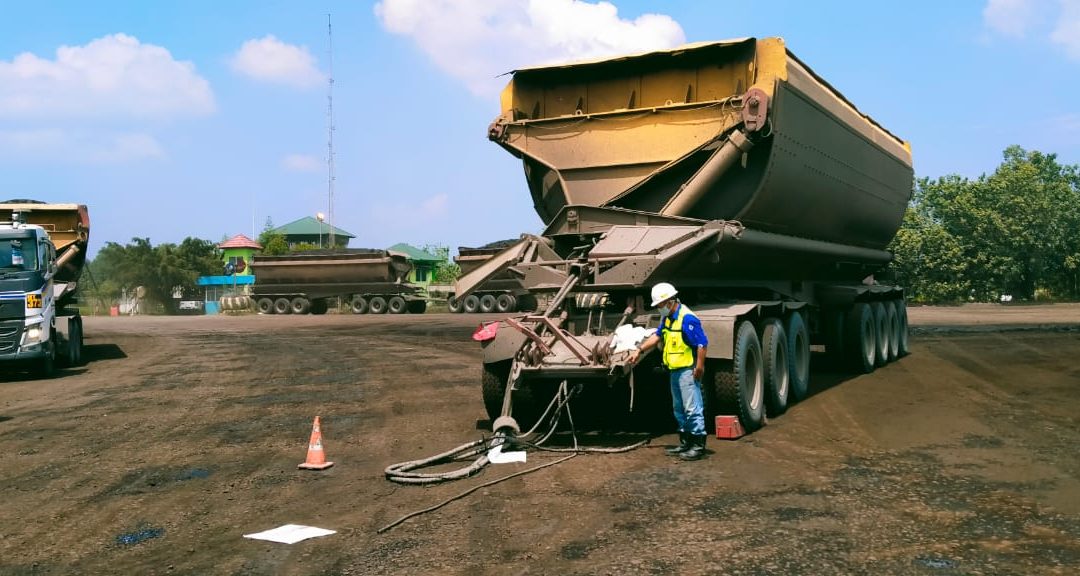
In the industrial world, the use of trailers and heavy equipment plays a very important role. However, safety in the use of trailers is often ignored or not taken seriously. In fact, small mistakes in the use of trailers can be fatal, threatening the safety of workers, damaging the load, and causing major financial losses. In facing the challenges associated with the use of trailers and heavy equipment, remember that safety is a long-term investment that brings great benefits to all parties.
With awareness, attention, and proper action, we can ensure that the use of trailers and heavy equipment is carried out safely. For this reason, companies that use trailers or heavy equipment must give high priority to the safety aspect of their operations. This article will discuss important factors that must be considered to maintain safety in the use of trailers.
1. Routine Maintenance and Inspection
The initial step that must be taken in maintaining the safety of using trailers is to carry out routine maintenance and inspections. Trailers must be ensured to be in good condition by carrying out proper maintenance. Such as cleaning and maintaining it regularly. In addition, also carry out routine inspections of the brakes, electrical system, tire condition, and trailer structure. By doing this, problems or damage to the trailer can be detected early before they have the potential to cause an accident.
2. Adequate Training and Knowledge
Driving a trailer or heavy equipment is not a task that can be done carelessly. Trailer drivers must undergo adequate training and obtain relevant certifications. They must have good knowledge of safe driving techniques, trailer maintenance, and how to handle the load properly. By having a trained driver, the risk of accidents can be significantly reduced, and the use of the trailer can be done more safely.
3. Proper Loading and Fastening
Another factor to consider is proper loading and fastening. Make sure the load is evenly distributed in the trailer and is tied down firmly and securely. Use proper fastening aids such as straps or chains to ensure the load remains stable during the trip. Improper loading and fastening can cause the load to shift or even fall off the trailer, which can cause an accident.
4. Use of Appropriate Safety Equipment
A good trailer is equipped with appropriate safety equipment, such as signal lights, brake lights, reflectors, and warning signs that are functioning properly. This equipment helps increase the visibility of the trailer on the road and warns other road users of the trailer’s presence. By using the right safety equipment, the risk of accidents can be minimized.
5. Comply with Safety Rules and Procedures
It is important to always comply with applicable safety rules and procedures when using a trailer. Such as obeying the set speed limit, following traffic signs, and obeying the load limits allowed by the trailer. Trailer drivers must also be sure to have a valid driver’s permit and license under the regulations.
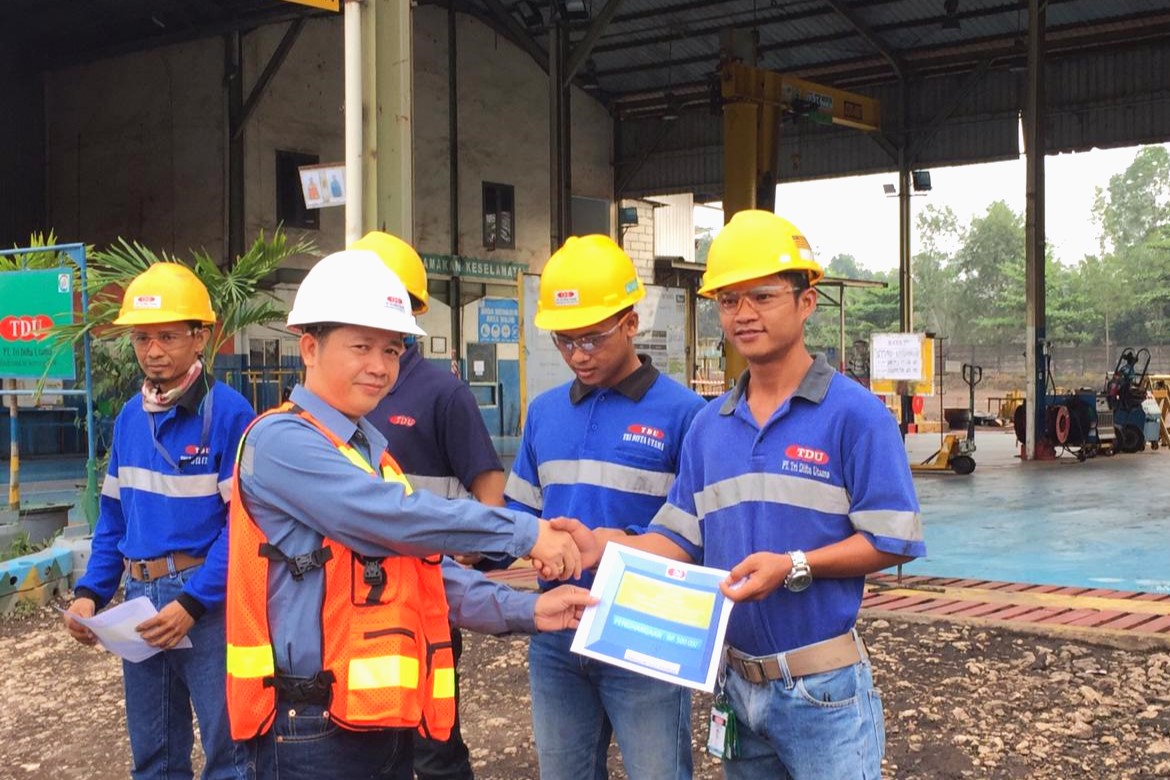
Training Certification Submission (Photo: TDU)
In the use of trailers and heavy equipment, safety must be a top priority for every company. Considering routine maintenance, inspections, training, proper loading, safety equipment, and compliance with rules helps create a safer work environment.
Prioritizing safety is not only an individual responsibility but also a company-wide responsibility. By prioritizing safety, companies can maintain employee welfare, maintain equipment integrity, and create an efficient and productive work environment.
Read other articles: The Importance of Work Safety in Industries Using Trailers and Heavy Equipment