
Introduction
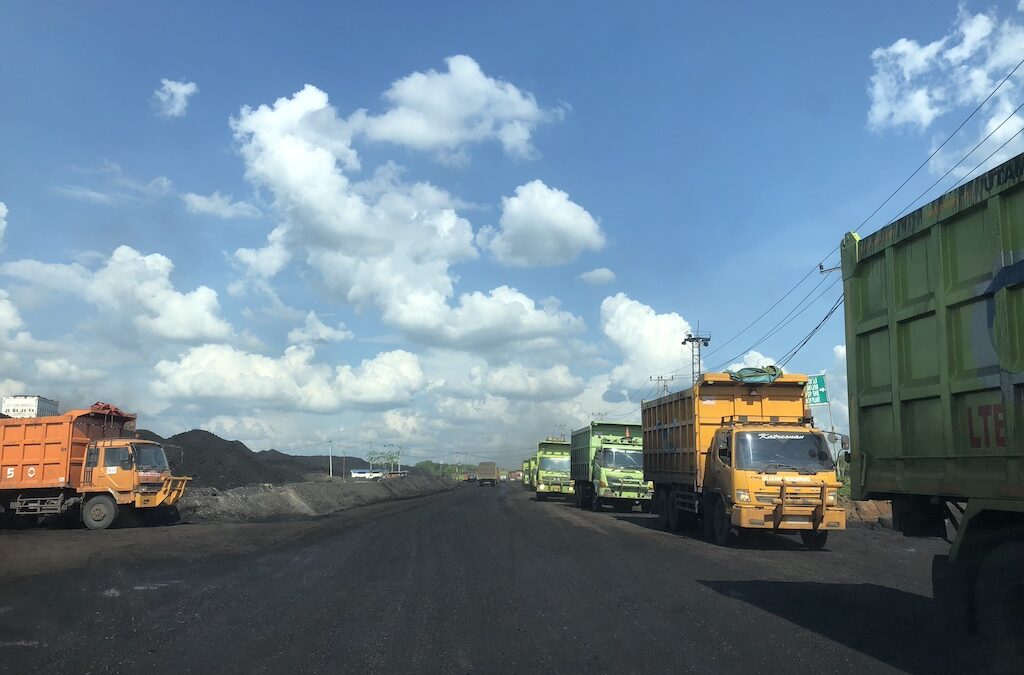
In industries such as mining, heavy equipment, construction, logistics, energy, and manufacturing, equipment reliability is one of the most important factors in maintaining smooth operations. Every unit that stops working due to a failure not only creates repair costs but can also disrupt productivity, delivery schedules, and overall business targets.
As operational demands continue to increase, companies often face an important question: Is it better to perform scheduled maintenance before a failure occurs, or wait until a component breaks down before repairing it?
This question leads to two of the most common maintenance strategies used in industrial operations: preventive maintenance and corrective maintenance. While both approaches aim to keep equipment running, they differ significantly in how and when maintenance activities are carried out.
Understanding the differences between preventive and corrective maintenance is essential for determining the most efficient maintenance strategy, especially for companies operating trailers, heavy equipment, logistics vehicles, and other industrial assets.
Understanding Preventive Maintenance and Corrective Maintenance
What Is Preventive Maintenance?
Preventive maintenance is a maintenance approach that is performed on a scheduled basis before a failure occurs. Its primary objective is to identify potential issues early and repair or replace components before they reach the point of failure.
This approach is typically based on:
- Equipment operating hours
- Vehicle mileage
- Time intervals
- Routine inspection results
- Manufacturer recommendations
Examples of preventive maintenance for trailers include:
- Replacing brake linings before they reach the minimum thickness limit
- Inspecting kingpins and wearing rings regularly
- Lubricating bearings according to schedule
- Checking air and electrical systems before operation
Preventive maintenance focuses on prevention, helping to minimize the risk of unexpected failures.
What Is Corrective Maintenance?
Corrective maintenance is a maintenance strategy that is carried out after a failure or malfunction has occurred.
Under this approach, repairs are performed when:
- A component is no longer functioning properly
- Equipment performance has significantly declined
- Operational disruptions occur
- The unit experiences a breakdown
Examples of corrective maintenance include:
- Replacing bearings after they fail
- Repairing a braking system after a loss of braking performance
- Replacing a kingpin that has exceeded wear limits
- Fixing electrical systems after a malfunction occurs
Although corrective maintenance may initially seem more cost-effective because it avoids frequent inspections, it often results in significantly higher costs once a failure occurs.
The Risk of Downtime: The Hidden Cost
Many companies compare preventive and corrective maintenance based solely on the cost of replacement parts. However, the largest expense often comes from operational downtime.
Downtime refers to periods when equipment or vehicles cannot be used due to a failure. In heavy industries, downtime can create several major consequences.
1. Loss of Productivity
When a trailer or piece of equipment stops operating, work that depends on it is also delayed. In mining and construction projects, the failure of a single unit can affect the entire workflow.
2. Higher Repair Costs
Failures that are left unresolved often damage more than one component. For example, a failed bearing can damage the hub, axle, and even nearby braking components. As a result, repair costs can become significantly higher than the cost of replacing the bearing as part of a preventive maintenance program.
3. Operational Schedule Disruptions
In the logistics sector, delayed deliveries can directly impact customer satisfaction and company reputation. In mining and construction operations, downtime can affect production targets and increase daily operating costs.
4. Increased Safety Risks
Equipment failures that occur during operation pose much greater safety risks than issues discovered during routine inspections. Brake system failures, axle damage, or coupling issues can lead to accidents that affect both personnel and assets.
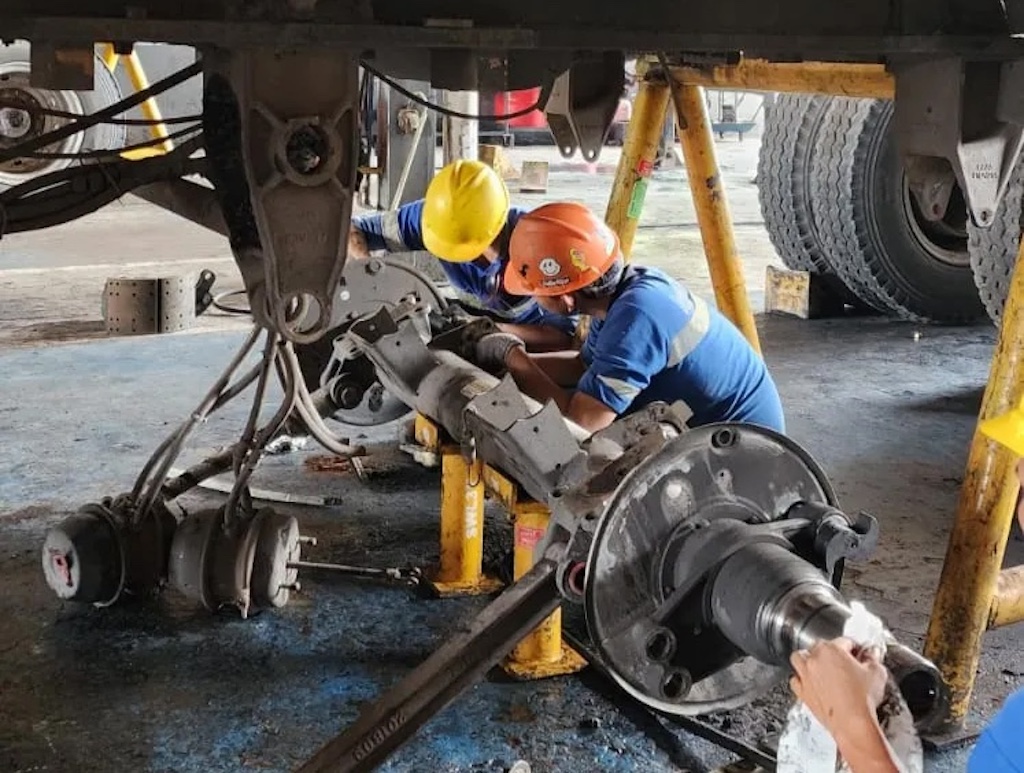
A technician performs maintenance and repairs on a trailer axle system in the workshop area using complete safety equipment (Image Source: TDU)
Why Modern Industries Prefer Preventive Maintenance
As companies continue to focus on efficiency and reliability, many organizations have adopted preventive maintenance as a core part of their long-term asset management strategy.
Some of the key benefits include:
Improved Equipment Reliability
Assets that are maintained regularly experience fewer failures and operate more consistently.
Reduced Downtime
Potential issues can be identified and addressed before they develop into major problems.
Better Cost Control
Maintenance expenses become more predictable and easier to budget.
Extended Component Life
Proper maintenance reduces excessive wear and helps components last longer.
Enhanced Workplace Safety
Equipment operating in optimal condition has a lower risk of failure during operation.
Conclusion
Both preventive maintenance and corrective maintenance have their place within an industrial maintenance strategy. However, when evaluated from the perspectives of cost efficiency, operational reliability, and workplace safety, preventive maintenance generally provides greater long-term benefits.
Waiting for components to fail before repairing them may seem cost-effective in the short term, but it often leads to higher expenses due to downtime, secondary damage, and operational disruptions. In contrast, preventive maintenance allows companies to control risks, plan maintenance budgets effectively, and maintain consistent productivity.
In industries that depend on equipment availability every day, maintenance is not simply a technical activity—it is a strategic investment that supports operational continuity and long-term business efficiency.
Read other Articles: Effective Strategies in Distribution: Improving Operational Efficiency