

Indonesia is a country with abundant natural resources, especially in the industrial mining sector. These mining materials not only support the energy and manufacturing sectors but also serve as the backbone of national infrastructure and economic development. This article discusses the various types of industrial mining materials in Indonesia, the main mining locations, and the importance of sustainable management.
Definition of Industrial Mining Materials and Their Role in National Development
Industrial mining materials are various types of minerals and materials extracted from the earth and used in various industrial processes. These types of mining materials include coal, petroleum, natural gas, bauxite, phosphate, limestone, gold, iodine, tin, asphalt, and marble. The role of industrial mining materials in national development is very significant. They are the main source of energy, raw materials for various manufactured products, and important materials in infrastructure development.
For example;
Coal is the primary energy source for electricity generation, petroleum.
Natural gas is used in a variety of industrial and transportation applications.
Bauxite is processed into aluminum for industrial and construction purposes.
Main Producing Areas / Mining Locations of These Materials
Indonesia has many regions rich in various types of industrial mining materials. Here are some of the main locations for each type of mining material:
- Coal: East Kalimantan and South Sumatra are the two main coal-producing areas in Indonesia. People recognize East Kalimantan, in particular, as one of the world’s largest coal producers.
- Petroleum: The main oil-producing areas in Indonesia include Riau, South Sumatra, and East Kalimantan.
- Natural Gas: The main natural gas-producing areas include East Kalimantan (Mahakam Block) and West Papua (Tangguh LNG).
- Bauxite: The Riau Islands and West Kalimantan have abundant bauxite reserves, which is the main raw material for aluminum production.
- Phosphate: There’s a large amount of phosphate on the island of Java, particularly in the Madura region.
- Limestone: West Java, East Java, and West Sumatra are the main limestone-producing areas that supply the cement industry.
- Gold: Papua (Grasberg Mine) and West Kalimantan are two major gold-producing areas in Indonesia.
- Iodine: You can find iodine in abundance in East Java, especially in Mojokerto.
- Tin: Bangka Belitung and the Riau Islands are major producers of tin, which is used in various electronics industries.
- Asphalt: Buton Island in Southeast Sulawesi is a major asphalt-producing area in Indonesia.
- Marble: Marble is found in abundance in East Java and South Sulawesi, used in the construction and decoration industries.
Prospects and Challenges in the Mining Materials Industry
The mining materials industry in Indonesia has bright prospects, supported by high global demand and abundant resource reserves. However, the industry also faces several challenges that need to be addressed:
- Commodity Price Fluctuations: Global market prices of mining materials often experience significant fluctuations, which can affect the profitability of mining companies.
- Government Regulations and Policies: Changing government policies and stringent regulations can be obstacles to mining companies’ operations.
- Environmental and Social Issues: Mining operations often have negative impacts on the environment and surrounding communities, so mining companies must ensure that effective mitigation efforts are in place.
- Technology and Innovation: Adopting new technologies and innovations in mining and processing processes is essential to improve efficiency and reduce environmental impacts.
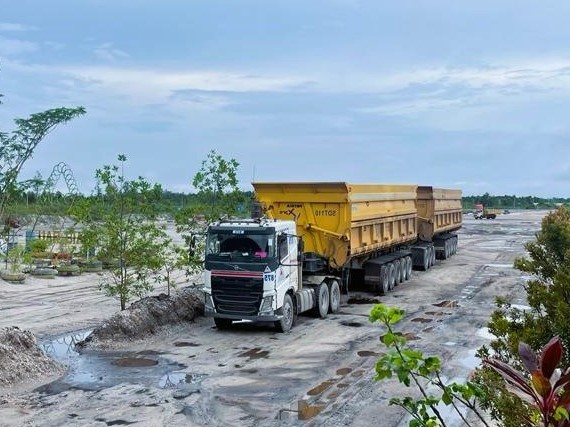
The Importance of Sustainable and Responsible Industrial Mining Materials Management
Sustainable and responsible industrial mining materials management is key to ensuring that these natural resources can be enjoyed by future generations. Some important steps in sustainable management include:
- Land Reclamation: After mining operations are completed, ex-mined land must be reclaimed and restored so that it can be reused for other purposes, such as agriculture or forestry.
- Environmental Impact Reduction: Mining companies must adopt technologies and practices that have minimal environmental impact, such as effective waste management and the use of renewable energy.
- Local Community Involvement: Involving local communities in the decision-making process and providing them with real economic benefits is essential to creating a harmonious relationship between mining companies and communities.
- Transparency and Accountability: Mining companies must operate with high transparency and be responsible for the impacts of their operations, both environmentally and socially.
Conclusion
The mining industry in Indonesia has a very important role in supporting national development. Abundant natural resources make the industry’s prospects bright, despite facing various challenges. Mining companies need to implement sustainable and responsible management to provide long-term benefits for the economy, environment, and society. Thus, Indonesia’s natural resources can significantly contribute to national welfare, supporting economic growth and improving the quality of life.
Read other articles: The Largest Coal-Producing Provinces in Indonesia